Guide to Dewatering Equipment: Industrial Water Removal Methods and Applications
Dewatering refers to the process of removing excess water from soil, sludge, slurry, or industrial materials. This process exists to manage water accumulation that can interfere with construction activities, industrial operations, mining, wastewater treatment, and environmental management. Dewatering equipment is designed to separate water from solids efficiently, improving material handling and operational stability.
Industries rely on dewatering because water is often present as an unwanted byproduct. Whether due to groundwater seepage, industrial processing, or environmental conditions, excess moisture can weaken structures, reduce productivity, and increase safety risks. Dewatering systems address these challenges by enabling controlled water removal using mechanical, hydraulic, or filtration-based techniques.
Importance
Dewatering plays a critical role across multiple sectors due to its direct impact on safety, efficiency, and environmental compliance.
Operational stability: Excess water can compromise foundations, slow production processes, and damage machinery. Dewatering ensures work environments remain stable and functional.
Infrastructure development: Construction and civil engineering projects depend on dewatering to maintain dry excavation sites, prevent soil collapse, and support accurate structural placement.
Environmental protection: Controlled water removal prevents contaminated runoff from spreading into surrounding ecosystems and helps manage wastewater responsibly.
Industrial efficiency: Many manufacturing and processing activities require controlled moisture levels. Industrial dewatering improves material consistency and reduces waste volume.
Regulatory compliance: Proper dewatering supports adherence to environmental discharge standards and water management regulations.
Recent Updates
Over the past year, dewatering technologies and practices have continued to evolve:
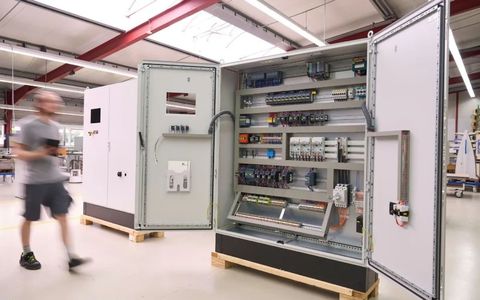
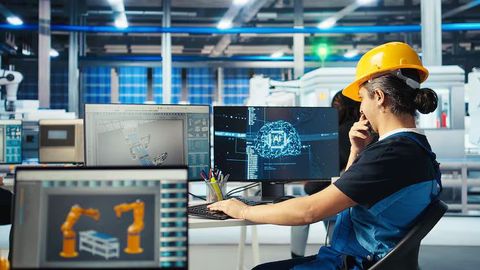
Automation and monitoring (2024–2025): Modern dewatering systems increasingly integrate sensors and automated controls to monitor flow rates, pressure, and moisture levels in real time.
Energy-efficient designs: Equipment manufacturers have focused on reducing energy consumption through improved pump efficiency and optimized filtration systems.
Stricter water discharge norms: Several regions have updated wastewater discharge guidelines, encouraging industries to adopt advanced dewatering and water treatment combinations.
Compact system adoption: Space-saving and modular dewatering equipment is gaining attention, particularly for urban construction sites and temporary industrial operations.
Digital maintenance tools: Predictive maintenance software is being used to detect wear and performance decline in pumps and filtration units before failures occur.
Laws or Policies
Dewatering practices are influenced by environmental and industrial regulations that govern water usage and discharge.
Environmental protection laws: Regulations often define acceptable levels of suspended solids, chemicals, and contaminants in discharged water.
Construction site compliance: Many jurisdictions require permits and monitoring for dewatering activities at excavation and infrastructure sites.
Industrial wastewater standards: Manufacturing and processing plants must manage removed water in accordance with effluent quality standards.
Groundwater management policies: Some regions regulate groundwater extraction to prevent depletion, subsidence, or ecological imbalance.
Occupational safety rules: Dewatering equipment must meet safety standards related to pressure systems, electrical components, and operational access.
How Dewatering Works
Dewatering systems operate by separating water from solids using physical or mechanical principles.
Gravity-based separation: Water drains naturally from materials when allowed to settle or pass through filtration media.
Mechanical pressure: Equipment applies pressure to force water out of solids, commonly used in sludge and slurry treatment.
Vacuum-assisted removal: Vacuum pressure accelerates water extraction, particularly in fine-grained materials.
Pumping systems: Pumps lower water tables or move accumulated water away from work areas.
Types of Dewatering Systems
| System Type | Primary Function | Common Applications |
|---|---|---|
| Wellpoint systems | Lower groundwater levels | Construction excavations |
| Filter presses | Solid-liquid separation | Industrial sludge treatment |
| Centrifugal dewatering | High-speed separation | Mining and processing |
| Belt filter systems | Continuous water removal | Wastewater treatment |
| Submersible pumps | Water evacuation | Flood control and drainage |
Benefits of Dewatering
Effective dewatering provides measurable advantages across operations.
Improved safety: Dry work environments reduce slip hazards and structural instability.
Reduced waste volume: Removing water lowers material volume, simplifying handling and disposal.
Enhanced productivity: Projects progress faster when water-related delays are minimized.
Environmental responsibility: Controlled water management reduces contamination risks.
Operational consistency: Stable moisture levels improve process reliability.
Industrial Dewatering Applications
Dewatering is widely applied in:
-
Construction and civil engineering
-
Mining and mineral processing
-
Wastewater treatment facilities
-
Food and chemical processing
-
Power generation and utilities
-
Environmental remediation projects
Each application uses specific dewatering equipment tailored to material type, volume, and regulatory needs.
Tools and Resources
Several tools support effective dewatering planning and operation:
-
Flow rate calculators
-
Moisture content analysis tools
-
Pump selection guides
-
Filtration efficiency charts
-
Digital monitoring dashboards
-
Maintenance scheduling software
-
Regulatory compliance checklists
-
Safety inspection templates
These resources help operators evaluate performance, plan capacity, and maintain compliance.
FAQs
What is dewatering equipment used for?
Dewatering equipment removes excess water from soil, sludge, or industrial materials to improve stability, safety, and process efficiency.
How does industrial dewatering differ from basic water removal?
Industrial dewatering focuses on controlled, large-scale separation of water and solids, often with regulatory and environmental considerations.
Are all dewatering systems permanent installations?
No. Dewatering systems can be temporary or permanent, depending on the application and project duration.
Does dewatering affect groundwater levels?
Yes. Improper dewatering may impact groundwater balance, which is why regulations and monitoring are important.
What factors influence dewatering system selection?
Material type, water volume, site conditions, environmental rules, and operational duration all affect system choice.
Conclusion
Dewatering equipment plays a vital role in modern industry, construction, and environmental management by enabling effective water removal and solid-liquid separation. Understanding how dewatering works, the types of systems available, regulatory influences, and practical tools allows organizations to manage water responsibly and efficiently. As technology advances, dewatering continues to evolve toward smarter, more energy-efficient, and environmentally conscious solutions.