Guide To Digital Twin Technology in Manufacturing: Applications, Benefits, and Industry Use Cases
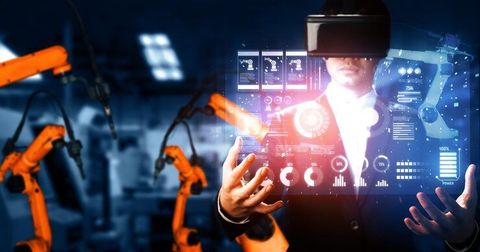
Digital twin technology refers to the creation of a virtual representation of a physical object, system, or process. In manufacturing, this means building a digital model of machines, production lines, or entire factories. These virtual models are connected to real-world data through sensors, software systems, and industrial networks.
The concept exists to help manufacturers better understand how their operations perform in real time. By collecting and analyzing data from equipment and processes, digital twins allow users to simulate, monitor, and optimize production without interfering with actual operations.
This technology combines elements of industrial IoT (Internet of Things), data analytics, and simulation tools. It enables manufacturers to test different scenarios, identify potential issues, and improve efficiency before making physical changes.
Digital twins are used across various manufacturing stages, including product design, production planning, quality control, and maintenance. As manufacturing systems become more complex, digital twins provide a structured way to manage and analyze large amounts of operational data
Importance – Why Digital Twin Technology Matters
Digital twin technology is increasingly important in modern manufacturing because it helps address several key challenges. These include equipment downtime, production inefficiencies, quality issues, and rising operational complexity.
Manufacturers benefit from improved visibility into their operations. Instead of relying only on historical data or manual inspections, digital twins provide continuous, real-time insights. This allows faster decision-making and more accurate forecasting.
One major benefit is predictive maintenance. By analyzing data from machines, digital twins can detect patterns that indicate potential failures. This helps reduce unexpected downtime and improves equipment lifespan.
Another important advantage is process optimization. Manufacturers can simulate changes in production workflows and identify the most efficient configurations. This reduces waste, improves output, and supports better resource utilization.
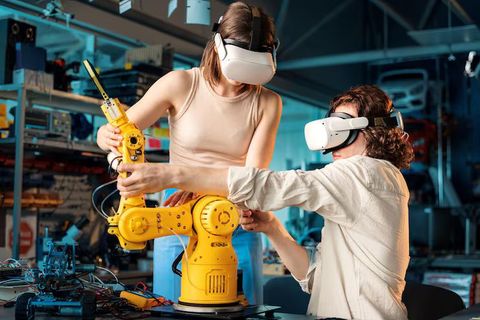
Digital twins also support product development. Engineers can test designs in a virtual environment before physical production, reducing errors and development time.
The technology affects a wide range of stakeholders, including factory managers, engineers, supply chain planners, and quality control teams. It helps them make informed decisions based on accurate and up-to-date data.
Below is a simple comparison of traditional manufacturing vs digital twin-enabled manufacturing:
| Aspect | Traditional Approach | Digital Twin Approach |
|---|---|---|
| Data Usage | Historical, limited | Real-time, continuous |
| Maintenance | Reactive | Predictive |
| Process Changes | Trial and error | Simulation-based |
| Visibility | Partial | Comprehensive |
| Decision Making | Manual | Data-driven |
Recent Updates – Trends and Developments
In the past year (2025–2026), digital twin technology has continued to evolve alongside advancements in AI, cloud computing, and industrial automation.
One major trend is the integration of artificial intelligence into digital twin systems. AI models are now used to analyze large datasets generated by digital twins, improving accuracy in predictions and recommendations. This development became more prominent in mid-2025 as manufacturers adopted AI-driven analytics platforms.
Another update is the increased use of cloud-based digital twin platforms. Cloud infrastructure allows manufacturers to scale their digital twin systems more efficiently and access data from multiple locations. By late 2025, many companies shifted from on-premise systems to hybrid or cloud-based environments.
There has also been growth in the use of digital twins for sustainability tracking. Manufacturers are using digital twins to monitor energy consumption, emissions, and resource usage. This aligns with global efforts to improve environmental performance and reduce industrial impact.
In early 2026, there has been increased focus on interoperability standards. Industry groups are working to ensure that different digital twin systems can communicate effectively across platforms and devices. This is important for large manufacturing networks that use multiple technologies.
Another emerging trend is the use of digital twins in supply chain management. Instead of focusing only on factory operations, companies are extending digital twin models to include logistics, inventory, and distribution systems.
Laws or Policies – Regulatory and Government Influence
Digital twin technology in manufacturing is influenced by various regulations and policies, particularly those related to data usage, industrial standards, and environmental compliance.
In many countries, data protection laws affect how manufacturing data is collected, stored, and shared. Since digital twins rely heavily on real-time data, manufacturers must ensure compliance with data privacy regulations.
Industrial safety standards also play a role. Digital twins are often used to simulate hazardous scenarios, helping companies meet workplace safety requirements. These simulations support compliance with occupational health and safety regulations.
Governments are also promoting digital transformation through industry programs. For example, initiatives related to smart manufacturing and Industry 4.0 encourage the adoption of technologies like digital twins. These programs often provide guidelines and frameworks rather than direct mandates.
Environmental policies are another important factor. Digital twins help manufacturers track emissions and resource usage, supporting compliance with sustainability regulations. This is particularly relevant as governments introduce stricter environmental reporting requirements.
In some regions, standardization bodies are developing frameworks for digital twin implementation. These frameworks aim to ensure consistency, reliability, and interoperability across different systems.
Tools and Resources – Supporting Technologies
Several tools and platforms support the implementation of digital twin technology in manufacturing. These tools help with data collection, simulation, visualization, and analysis.
Simulation and Modeling Tools
Simulation software allows manufacturers to create virtual models of machines and processes. These tools help test different scenarios and optimize production workflows.
IoT Platforms
Industrial IoT platforms collect data from sensors installed on equipment. This data is used to update digital twins in real time.
Data Analytics Tools
Analytics tools process large datasets and generate insights. These tools often include dashboards, reporting features, and predictive models.
Cloud Platforms
Cloud-based systems store and manage digital twin data. They provide scalability and enable remote access to information.
Visualization Tools
Visualization tools display digital twin models in interactive formats, such as 3D representations or dashboards. This makes it easier to understand complex systems.
Below is a table summarizing common tool categories:
| Tool Category | Function | Example Use Case |
|---|---|---|
| Simulation Software | Create virtual models | Testing production layouts |
| IoT Platforms | Collect real-time data | Monitoring machine performance |
| Analytics Tools | Analyze data patterns | Predictive maintenance |
| Cloud Systems | Store and manage data | Multi-site manufacturing |
| Visualization Tools | Display insights | Real-time dashboards |
FAQs – Common Questions
What is a digital twin in manufacturing?
A digital twin is a virtual model of a physical object or process that uses real-time data to simulate and analyze performance.
How does digital twin technology improve efficiency?
It allows manufacturers to monitor operations, identify inefficiencies, and test improvements through simulations before applying changes.
Is digital twin technology only for large manufacturers?
No, while large manufacturers adopt it more widely, smaller operations can also use simplified digital twin systems depending on their needs.
What data is required for a digital twin?
Digital twins require data from sensors, machines, and production systems, including temperature, pressure, speed, and operational status.
Can digital twins help with sustainability?
Yes, they can track energy use, emissions, and resource consumption, helping manufacturers improve environmental performance.
Conclusion
Digital twin technology is becoming an important part of modern manufacturing. By creating virtual models of physical systems, manufacturers can gain deeper insights into their operations and make more informed decisions.
The technology supports predictive maintenance, process optimization, and improved product development. It also aligns with broader trends such as automation, sustainability, and data-driven manufacturing.
Recent developments in AI, cloud computing, and interoperability are making digital twins more accessible and effective. At the same time, regulations related to data, safety, and environmental performance continue to shape how the technology is used.
As manufacturing systems grow more complex, digital twins provide a practical way to manage and improve operations. Their role is expected to expand further as industries continue to adopt advanced digital technologies.