How to Pursue Aviation Maintenance Education: Complete Guide
Learn the pathways, certifications, and technical skills required for aviation maintenance careers. Explore training options, regulatory requirements, and industry demand for qualified technicians.
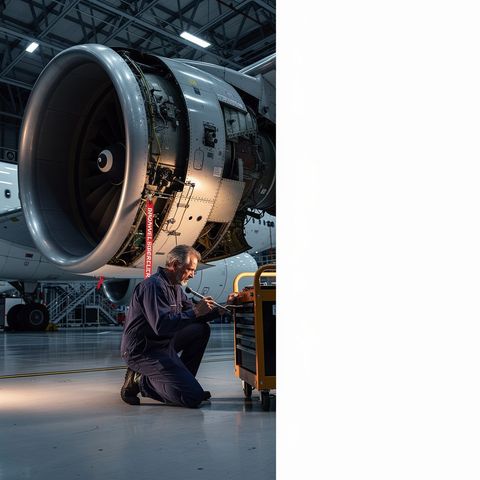
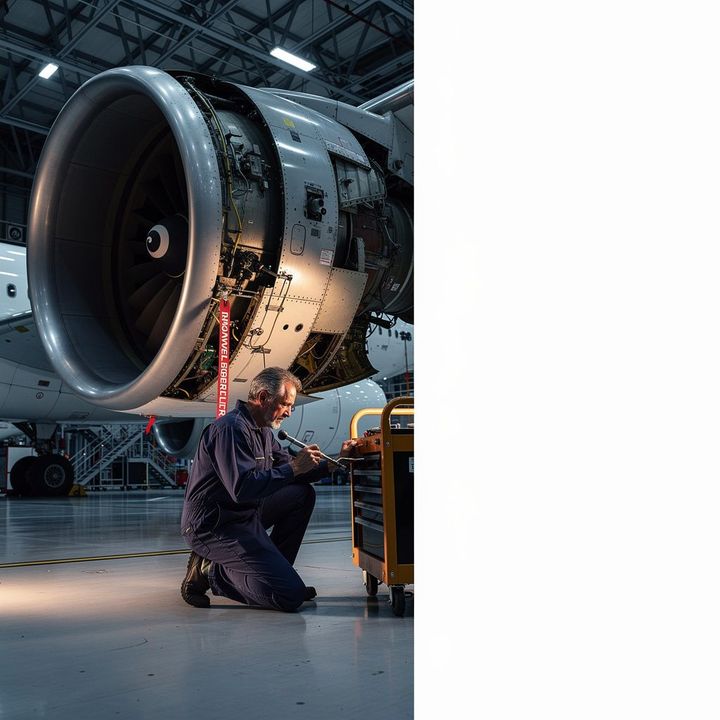
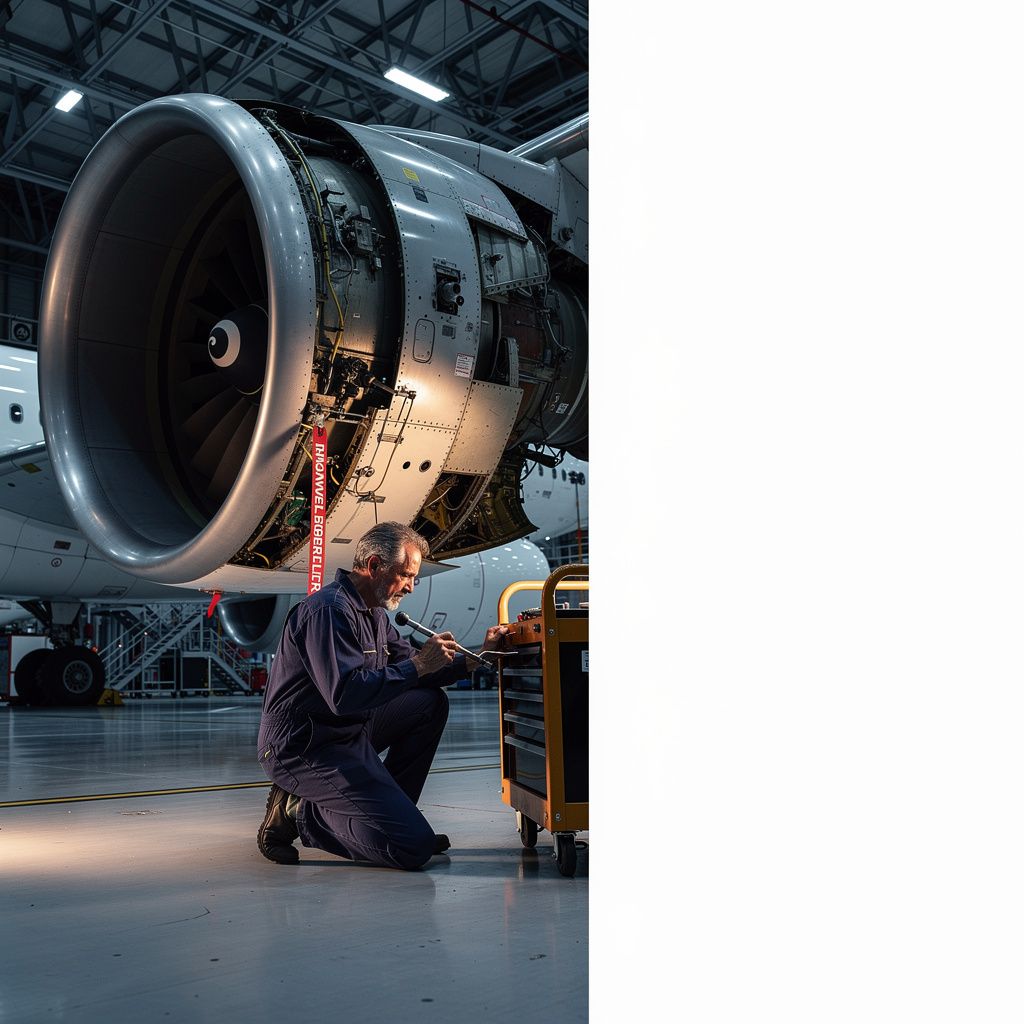
Aviation maintenance education represents a specialized technical pathway that combines classroom learning with hands-on training to develop the expertise required for aircraft servicing and repair. As commercial aviation continues to expand globally, the demand for qualified maintenance technicians remains consistently high. This field requires mastery of complex mechanical, electrical, and avionics systems, strict adherence to Federal Aviation Administration (FAA) regulations, and a commitment to precision and safety protocols. Understanding the educational landscape—from entry-level training to advanced certifications—is essential for anyone considering a career in aviation maintenance.
Core Benefits and Practical Limitations of Aviation Maintenance Education
Aviation maintenance careers offer substantial career stability and earning potential. According to the U.S. Bureau of Labor Statistics, aircraft maintenance technicians earn a median annual salary of approximately $66,000, with experienced technicians at major airlines earning significantly more. The field provides clear advancement pathways, from entry-level positions at regional carriers to senior roles at major airlines, military installations, or aerospace manufacturers.
The primary benefits include job security driven by continuous aircraft fleet maintenance requirements, opportunities for international employment, and the satisfaction of working with cutting-edge aerospace technology. Technicians develop highly specialized skills that transfer across the aviation industry and related fields like helicopter maintenance or spacecraft servicing.
However, practical limitations exist. Aviation maintenance education requires substantial time investment—typically 18 to 24 months for formal FAA-approved programs. The work environment involves physical demands, irregular schedules including night shifts and weekends, and exposure to hazardous materials and loud machinery. Additionally, FAA certification requires passing rigorous written, oral, and practical exams with high failure rates for unprepared candidates. The initial training investment and competitive certification process create barriers that filter out less committed individuals.
Types of Aviation Maintenance Education Programs and Training Structures
FAA-Approved Maintenance Technician Schools
The most direct pathway involves attending an FAA-approved Part 147 school, which provides comprehensive training aligned with federal certification standards. These institutions typically offer 18 to 24-month programs covering airframe and powerplant (A&P) systems. Curricula include classroom instruction in aircraft structures, engines, hydraulics, electrical systems, and avionics, combined with hands-on laboratory training on actual aircraft or simulators. Graduates earn the A&P license, the industry-standard credential recognized across all U.S. airlines and maintenance facilities.
Military Aviation Maintenance Training
The U.S. military operates extensive aviation maintenance training programs through branches including the Air Force, Navy, and Army. Military technicians receive comprehensive training in aircraft systems, maintenance procedures, and safety protocols. Upon honorable discharge, military-trained technicians can transition to civilian aviation careers with significant experience advantages and often receive credit toward civilian certifications. Military training provides real-world experience on military aircraft platforms and establishes professional networks within the aviation industry.
On-the-Job Training and Apprenticeships
Some technicians enter the field through on-the-job training programs sponsored by airlines or maintenance facilities. This pathway requires obtaining a high school diploma and passing FAA knowledge exams, then working under supervision while accumulating 5,000 to 10,000 hours of documented maintenance experience. This approach takes longer than formal schooling but allows individuals to earn while learning and avoid tuition costs. However, progression is slower, and employers may not sponsor candidates without demonstrated aptitude.
Specialized Certification Programs
Beyond the foundational A&P license, technicians pursue specialized certifications in avionics, composite repair, or specific aircraft types (Boeing 737, Airbus A320). These advanced programs range from 6 months to 2 years and require prerequisite A&P certification or equivalent experience. Specialized credentials increase earning potential and career flexibility by enabling technicians to work on specific aircraft platforms or systems.
Technical Competencies and Knowledge Areas Covered in Training
Aviation maintenance education develops expertise across multiple technical domains. Airframe training covers aircraft structure, materials, assembly, and inspection procedures for wings, fuselage, landing gear, and control surfaces. Powerplant instruction focuses on reciprocating and turbine engines, including fuel systems, ignition systems, and engine overhaul procedures.
Electrical systems training addresses AC and DC electrical systems, generators, batteries, lighting, and instrument power distribution. Hydraulic systems instruction covers pressure systems, actuators, and fluid dynamics critical for landing gear and flight control operation. Avionics training introduces navigation systems, autopilot, weather radar, and modern glass cockpit displays.
Additionally, technicians learn aircraft weight and balance calculations, maintenance documentation and record-keeping, troubleshooting methodologies, and safety protocols. Environmental and hazardous materials training ensures proper handling of fuels, hydraulic fluids, and composite materials. FAA regulations and maintenance standards form the regulatory foundation underlying all technical instruction.
Current Industry Trends and Technological Innovations in Aviation Maintenance
The aviation maintenance field is experiencing significant technological evolution. Predictive maintenance using sensor data and artificial intelligence enables technicians to identify component failures before they occur, shifting from reactive to proactive maintenance strategies. Digital maintenance records and electronic logbooks replace paper documentation, improving accuracy and accessibility.
Advanced composite materials in modern aircraft like the Boeing 787 and Airbus A350 require specialized repair knowledge distinct from traditional aluminum structures. Technicians must understand composite layup procedures, moisture absorption risks, and repair limitations that differ fundamentally from metal repairs.
Sustainability initiatives drive training in alternative fuel systems and electric propulsion technologies. As manufacturers develop hybrid-electric and all-electric aircraft, maintenance education increasingly incorporates high-voltage electrical systems and battery management protocols. Remote diagnostics and augmented reality tools assist technicians during complex repairs, requiring digital literacy alongside mechanical expertise.
Key Features and Specifications to Evaluate When Selecting Training Programs
When choosing an aviation maintenance education program, evaluate these critical factors:
FAA Approval Status: Confirm the school holds Part 147 certification, ensuring curriculum meets federal standards and graduates are eligible for FAA testing without additional requirements.
Instructor Qualifications: Programs should employ instructors with active A&P licenses and substantial industry experience. Instructor expertise directly impacts training quality and real-world applicability.
Equipment and Facilities: Inspect training aircraft, engines, and systems available for hands-on practice. Schools with actual aircraft or high-fidelity simulators provide superior practical preparation compared to classroom-only instruction.
Program Duration and Schedule: Full-time programs typically complete in 18-24 months, while part-time options extend to 3-4 years. Consider your financial situation and timeline preferences.
Placement Assistance: Strong programs maintain relationships with airlines and maintenance facilities, offering job placement support and career counseling for graduates.
Cost and Financial Aid: Tuition ranges from $30,000 to $60,000 depending on location and program intensity. Investigate federal student aid eligibility, employer sponsorship opportunities, and GI Bill benefits if applicable.
Accreditation Beyond FAA: Look for programs accredited by ACCSC (Accrediting Commission of Career Schools and Colleges) or other recognized bodies, indicating institutional quality and student support services.
Industry Landscape and Notable Implementation Environments
Aviation maintenance technicians work across diverse operational environments. Commercial airlines employ the largest workforce, with major carriers like American, United, and Delta operating extensive maintenance bases at hub airports. Regional carriers provide entry-level opportunities with less competitive hiring requirements.
Military aviation maintenance represents another significant sector, with technicians maintaining fighter jets, transport aircraft, and helicopters across Air Force, Navy, and Army installations. Military positions offer stable employment, comprehensive benefits, and advanced training opportunities.
Aerospace manufacturers including Boeing and Airbus employ maintenance technicians in production and customer support roles. Maintenance facilities independent of airlines perform contract maintenance for multiple carriers, offering diverse aircraft exposure. Corporate aviation and charter operators employ smaller maintenance teams, while helicopter operators and cargo airlines create specialized niches for technicians with specific platform expertise.
Selection and Decision-Making Framework for Choosing the Right Training Path
Evaluate your situation across these dimensions:
Financial Capacity: Can you afford tuition and living expenses during full-time training, or do you need to work simultaneously? This determines whether formal schooling or on-the-job training is feasible.
Time Availability: Full-time programs require 40+ hours weekly for 18-24 months. If you have family or work obligations, part-time or military training pathways may be more realistic.
Prior Experience: Military service or previous mechanical experience accelerates learning and improves exam success rates. Candidates without technical background benefit from foundational courses before advanced training.
Career Objectives: Do you aspire to work for major airlines, specialize in specific aircraft types, or maintain flexibility across operators? Your goals influence program selection and specialization choices.
Geographic Preferences: Consider where you want to work and whether training location aligns with your desired career location. Major aviation hubs offer more employment opportunities but higher living costs.
Actionable Tips and Practical Best Practices for Success
Develop Strong Mathematics and Physics Foundations: Before formal training, strengthen your understanding of algebra, geometry, and basic physics. These subjects underpin all technical instruction, and weak fundamentals slow progress through the program.
Practice Hands-On Problem-Solving: Seek opportunities to work on mechanical systems before formal training. Automotive repair, small engine maintenance, or equipment troubleshooting develops the practical mindset essential for aircraft maintenance.
Study FAA Regulations Proactively: Begin reviewing FAA Part 43 (Maintenance, Preventive Maintenance, and Alterations) and Part 65 (Certification: Airmen Other Than Flight Crew) before formal training. Understanding the regulatory framework accelerates classroom learning.
Form Study Groups: Aviation maintenance exams are challenging, with pass rates around 70% on first attempts. Collaborative study with classmates reinforces concepts and identifies knowledge gaps before official testing.
Document Your Experience Meticulously: Whether in formal training or on-the-job learning, maintain detailed records of systems worked on, procedures performed, and hours accumulated. FAA examiners verify experience documentation, and incomplete records delay certification.
Network Within the Industry: Attend aviation maintenance conferences, join professional organizations like the Professional Aviation Maintenance Association (PAMA), and connect with instructors and industry professionals. Networking creates job opportunities and provides mentorship from experienced technicians.
Comparison Table: Aviation Maintenance Education Pathways
| Pathway | Duration | Cost | Experience Required | Primary Advantage | Primary Limitation |
|---|---|---|---|---|---|
| FAA Part 147 School | 18-24 months | $30,000-$60,000 | High school diploma | Structured curriculum, rapid certification | High upfront cost, full-time commitment |
| Military Training | 6-12 months | Free (service commitment) | Military enlistment | No cost, real-world experience, job security | Service obligation, limited civilian flexibility |
| On-the-Job Training | 3-5 years | $0-$5,000 | High school diploma | Earn while learning, employer sponsorship | Slow progression, uncertain advancement |
| Specialized Certification | 6-24 months | $5,000-$30,000 | A&P license required | Increased earning potential, specialization | Requires foundational A&P certification |
Essential Preparation Checklist for Aviation Maintenance Education
- Verify high school diploma or GED completion and obtain official transcripts
- Research FAA Part 147-approved schools in your region and request detailed program information
- Review program accreditation status through ACCSC or equivalent bodies
- Assess your financial situation and research federal student aid, employer sponsorship, or GI Bill eligibility
- Evaluate your schedule constraints and determine whether full-time or part-time training is feasible
- Strengthen mathematics and physics knowledge through online courses or tutoring if needed
- Visit prospective schools to inspect facilities, meet instructors, and speak with current students
- Confirm job placement rates and employer relationships at schools under consideration
- Understand FAA certification requirements and exam structure before enrolling
- Develop a study plan and identify resources for exam preparation
- Connect with industry professionals through PAMA or local aviation maintenance associations
- Plan your post-certification career path and identify target employers or specializations
Frequently Asked Questions About Aviation Maintenance Education
What is the difference between an A&P license and other aviation maintenance certifications?
An A&P (Airframe and Powerplant) license is the foundational FAA certification for general aircraft maintenance technicians. It authorizes holders to perform maintenance, repairs, and inspections on aircraft structures and engines. Other certifications are specialized credentials: Inspection Authorization (IA) allows experienced A&P technicians to approve aircraft for return to service; Repairman certificates cover specific aircraft or equipment; Avionics certifications authorize work on navigation and communication systems. The A&P license is the industry standard entry point, while other certifications build on this foundation for specialized roles.
How long does it take to become an FAA-certified aviation maintenance technician?
Full-time FAA Part 147 programs typically require 18 to 24 months of classroom and hands-on instruction. Upon completion, graduates are eligible to sit for FAA written, oral, and practical exams, which can be completed within 1-3 months. Total time from enrollment to certification ranges from 20 to 27 months. On-the-job training pathways take significantly longer, requiring 3 to 5 years of documented experience before exam eligibility. Military training may accelerate the timeline if prior service counts toward experience requirements.
What are the FAA exam requirements for aviation maintenance certification?
FAA certification requires passing three separate exams: a written knowledge test covering aircraft systems, regulations, and maintenance procedures (typically 80 multiple-choice questions); an oral exam where an FAA examiner questions your understanding of maintenance concepts and troubleshooting; and a practical exam where you perform actual maintenance tasks on aircraft or components under examiner observation. Passing scores are typically 70% or higher on written exams and demonstrated competency on oral and practical portions. Many candidates require multiple attempts, particularly on the practical exam.
Can I pursue aviation maintenance education while working full-time?
Yes, but with significant constraints. Some schools offer evening and weekend classes designed for working students, extending program duration to 3-4 years. However, aviation maintenance is hands-on intensive, requiring substantial laboratory time that may be difficult to schedule around full-time employment. Alternatively, military on-the-job training allows you to earn while learning, though progression is slower. Most successful candidates pursuing education while working reduce their work hours or seek employer sponsorship allowing partial time off for training.
What is the job outlook for aviation maintenance technicians?
The job outlook remains strong. The FAA projects steady demand for maintenance technicians driven by fleet expansion, aging aircraft requiring increased maintenance, and technician retirements. Commercial aviation growth, particularly in emerging markets, increases maintenance facility staffing needs. Regional carriers and maintenance contractors actively recruit new technicians. Specialized skills in avionics or composite repair command premium compensation and face particularly strong demand. However, competition for positions at major airlines remains intense, while regional carriers and maintenance facilities offer more accessible entry points.
What is the typical salary progression for aviation maintenance technicians?
Entry-level technicians at regional carriers typically earn $40,000 to $50,000 annually. After 5-10 years of experience and advancement to senior technician or lead roles, salaries increase to $65,000 to $85,000. At major airlines, senior technicians and supervisors earn $80,000 to $120,000 or more, with additional benefits including flight privileges, retirement plans, and health insurance. Specialized certifications in avionics or specific aircraft types command 10-20% salary premiums. Overtime availability at busy maintenance bases significantly increases annual earnings beyond base salary.