Guide to Capsule Filling Machines: Technology, Applications, and Industry Overview
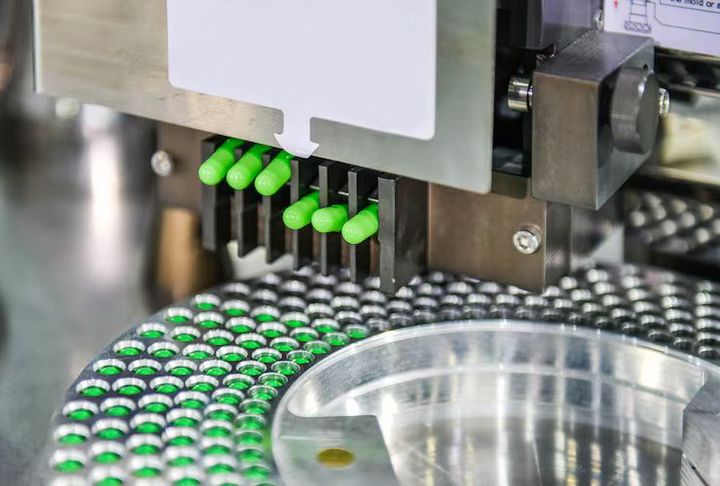
Capsule filling machines are precision-based pharmaceutical and nutraceutical processing systems used to fill empty capsules with powders, granules, pellets, or liquids. These machines play a key role in converting raw formulations into standardized capsule dosage forms suitable for consumption. Capsules are widely used because they allow accurate dosing, mask unpleasant tastes, and protect sensitive ingredients.
The need for capsule filling machines emerged as manual capsule filling methods proved inconsistent, time-consuming, and difficult to scale. Early hand-operated tools lacked accuracy and posed challenges in hygiene and uniformity. Mechanized capsule filling systems were introduced to improve dosing precision, reduce human error, and support controlled production environments.
Today, capsule filling machines are commonly used in pharmaceutical manufacturing, dietary supplement processing, clinical research environments, and formulation development settings.
Why Capsule Filling Machines Are Important Today
Capsule filling machines are important because they ensure uniformity, accuracy, and compliance in solid dosage manufacturing. Even minor variations in capsule fill weight can affect dosage reliability and regulatory acceptance.
Their importance can be understood through the following points:
-
Dosage accuracy: Machines ensure consistent fill weight across capsules.
-
Process standardization: Automated systems reduce variability between batches.
-
Hygiene control: Enclosed filling environments minimize contamination risks.
-
Operational efficiency: Mechanization supports predictable and repeatable workflows.
These machines affect formulation scientists, quality assurance teams, regulatory authorities, and healthcare supply chains by enabling reliable capsule production practices.
Recent Developments and Industry Trends
Over the past year, capsule filling machine technology has continued to advance with a focus on automation, monitoring, and adaptability.
In 2024 and early 2025, many manufacturing environments adopted servo-driven capsule filling systems, allowing more precise control over dosing mechanisms and capsule handling. These systems improve accuracy when processing low-dose or sensitive formulations.
Another notable trend is the integration of real-time weight monitoring systems, which track capsule fill levels during operation. This approach supports early detection of deviations and helps maintain uniformity throughout production cycles.
There has also been increased use of modular machine designs, enabling faster changeovers between capsule sizes and formulation types. This trend supports flexibility in multi-product processing environments.
Regulatory and Policy Framework
Capsule filling machines operate under strict regulatory oversight, particularly in pharmaceutical and health-related industries. Regulations focus on product safety, manufacturing consistency, and documentation accuracy.
Key regulatory considerations include:
-
Good Manufacturing Practices (GMP): Standards for cleanliness, validation, and process control.
-
Pharmaceutical equipment guidelines: Requirements for material compatibility and machine calibration.
-
Quality documentation rules: Expectations for batch records and process traceability.
-
Worker safety policies: Guidelines for dust control, mechanical safety, and ergonomic operation.
Compliance with these rules helps ensure that capsule filling operations meet quality and safety expectations.
Main Types of Capsule Filling Machines
Capsule filling machines are categorized based on their level of automation and filling technology. Each type is suited to specific production volumes and formulation needs.
| Machine Type | Level of Automation | Typical Application |
|---|---|---|
| Manual Capsule Filler | Hand-operated | Small-scale formulation |
| Semi-Automatic Filler | Partial automation | Medium-volume processing |
| Automatic Capsule Filler | Fully automated | Large-scale production |
| Liquid Capsule Filler | Specialized filling | Liquid formulations |
| Micro-Dose Filler | Precision-based | Low-dose applications |
Understanding these types helps align machine selection with production requirements and regulatory expectations.
Key Components of Capsule Filling Machines
Capsule filling machines consist of multiple integrated components designed to ensure accurate capsule handling and filling.
-
Capsule feeding system: Orients and separates empty capsules.
-
Filling station: Dispenses material into capsule bodies.
-
Tamping or dosing unit: Controls powder compression and fill weight.
-
Capsule closing mechanism: Joins capsule caps and bodies securely.
-
Control panel: Allows monitoring of speed, weight, and process parameters.
Each component contributes to consistent capsule quality and process reliability.
Tools and Resources Supporting Capsule Filling Operations
Several tools and monitoring resources are commonly used alongside capsule filling machines to maintain process accuracy and compliance.
-
Weight variation analyzers: Verify capsule fill consistency.
-
Dust extraction systems: Maintain clean processing environments.
-
Capsule inspection tools: Identify damaged or improperly filled capsules.
-
Process validation templates: Support regulatory documentation.
-
Maintenance tracking software: Helps manage calibration and cleaning schedules.
These resources support stable operation and long-term equipment performance.
Common Challenges in Capsule Filling Processes
Despite advanced technology, capsule filling operations face several technical challenges that require careful management.
-
Powder flow inconsistency: Affects uniform filling.
-
Capsule shell variability: Impacts sealing and alignment.
-
Electrostatic buildup: Causes material adhesion and loss.
-
Weight fluctuation: Leads to dosage inconsistencies.
Managing these challenges requires controlled environmental conditions, precise calibration, and standardized operating procedures.
Capsule Filling Process Overview
The capsule filling process follows a structured workflow to ensure consistency and accuracy.
-
Capsule separation and orientation
-
Material dosing and filling
-
Weight adjustment and verification
-
Capsule closing and sealing
-
Final inspection and sorting
Each step influences capsule integrity and dosage reliability.
Table: Factors Affecting Capsule Filling Accuracy
| Factor | Effect on Filling |
|---|---|
| Powder Flowability | Determines fill uniformity |
| Capsule Size | Influences dosing volume |
| Machine Speed | Affects weight consistency |
| Environmental Humidity | Impacts powder behavior |
| Equipment Calibration | Ensures dosing precision |
Frequently Asked Questions
What is the main purpose of capsule filling machines?
They accurately fill empty capsules with controlled quantities of formulation materials.
Can capsule filling machines handle different capsule sizes?
Many machines are designed to accommodate multiple capsule sizes with adjustments.
Why is weight consistency important in capsule filling?
Consistent weight ensures reliable dosage and regulatory compliance.
Do capsule filling machines work with liquid formulations?
Specialized machines are designed specifically for liquid-filled capsules.
How is hygiene maintained during capsule filling?
Enclosed designs and cleaning protocols help maintain sanitary conditions.
Conclusion
Capsule filling machines are a critical component of modern dosage form manufacturing. They support precise dosing, consistent capsule quality, and controlled processing environments. Recent developments emphasize automation, real-time monitoring, and flexible design to meet evolving formulation needs.
By understanding machine types, regulatory considerations, operational tools, and common challenges, stakeholders can better manage capsule filling processes and maintain consistent production standards across regulated environments.