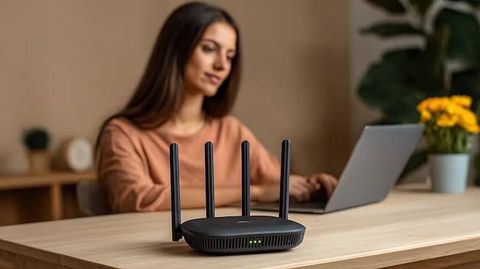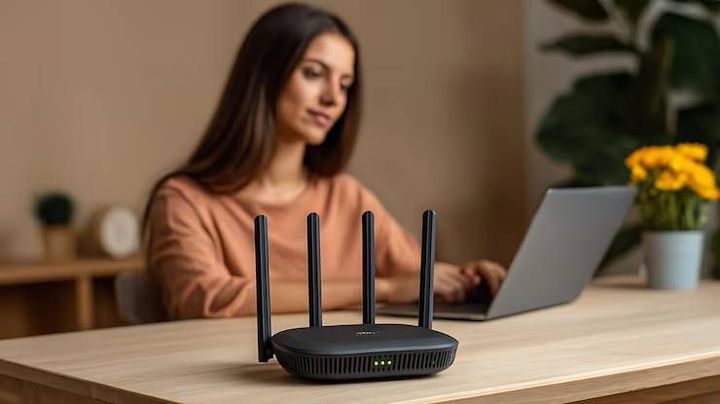
Learn more about the best wireless internet router for home with unlimited data
Finding the best wireless internet router for home use is essential when you subscribe to an unlimited broadband data plan. Many households pay for high-speed fiber optic internet connections, yet experience buffering, dropped video calls, and dead zones because they rely on outdated hardware. An unlimited data connection only delivers true value when your router can efficiently distribute bandwidth across every smartphone, smart TV, laptop, and smart home device simultaneously without throttling speeds or overheating.
Internet service providers frequently bundle basic entry-level routers with new fiber optic internet connections. While these standard devices handle basic web browsing, they quickly bottleneck under heavy daily usage. When multiple family members stream 4K ultra-high-definition video, attend remote work video conferences, and download large software updates at the same time, a budget router struggles to manage the data traffic.
Upgrading to a dedicated high-speed Wi-Fi router unlocks the full potential of your unlimited data subscription. Modern routers feature multi-core processors, expanded RAM, and advanced antenna arrays that maintain stable throughput during peak evening hours. Instead of paying your provider for a more expensive speed tier, investing in better wireless hardware often solves lag and connectivity drops immediately.
Key Features to Look for in a High-Speed Wi-Fi Router
Before purchasing new networking equipment, understanding core hardware specifications ensures you select a model that remains reliable for years.
Wi-Fi 6, Wi-Fi 6E, and Wi-Fi 7 Standards
Wireless technology has evolved rapidly to support crowded modern homes. A Wi-Fi 6 router is currently the sweet spot for value and performance, offering faster data transfer rates and better battery efficiency for connected devices than older Wi-Fi 5 models. If you live in a densely populated apartment building with heavy signal interference, a Wi-Fi 6E or Wi-Fi 7 router provides access to the uncongested 6 GHz frequency band, delivering ultra-fast wireless speeds and near-zero latency.
Dual-Band vs. Tri-Band Frequency Support
A dual-band gigabit router broadcasts signals on both the 2.4 GHz and 5 GHz bands. The 2.4 GHz band travels farther through concrete walls and floors, making it ideal for smart plugs and security cameras, while the 5 GHz band delivers high-speed bandwidth for laptops and streaming boxes. Tri-band routers add a third high-speed frequency band, preventing slowdowns when dozens of devices connect simultaneously.
Gigabit Ethernet Ports and WAN Compatibility
Even in a wireless-first home, wired connections remain unmatched for stability. Look for a router equipped with at least four Gigabit LAN ports so you can hardwire desktop computers, gaming consoles, and smart TVs. Additionally, ensure the router features a dedicated WAN port compatible with your fiber modem or optical network terminal, allowing seamless plug-and-play configuration with major broadband providers.
Advanced Security and Parental Controls
An always-on unlimited internet connection exposes your home network to external cyber threats. Prioritize routers that support WPA3 encryption, automatic firmware security patches, and built-in firewall protection. Many leading models also include intuitive mobile apps with parental controls, enabling you to pause internet access during study hours, filter inappropriate websites, and monitor real-time bandwidth usage per device.
Mesh Wi-Fi System vs. Standalone Router: Which Fits Your Home?
Selecting between a traditional standalone router and a whole-home mesh Wi-Fi system depends largely on the square footage and layout of your house.
When to Choose a Standalone Router
A single high-power standalone router works best for apartments, flats, and single-story homes up to 1,500 square feet. Placing the router in a central, elevated location away from thick brick walls and kitchen appliances ensures strong signal coverage across every room. Standalone units also provide maximum raw speed per rupee spent, making them ideal for competitive gamers and remote professionals working close to the main router.
When to Invest in a Whole-Home Mesh Wi-Fi System
Multi-story houses, duplexes, and homes with reinforced concrete walls often suffer from frustrating Wi-Fi dead zones. A mesh Wi-Fi system uses a main router connected to your modem alongside one or more satellite nodes placed throughout the house. These nodes communicate seamlessly under a single network name, automatically switching your phone or laptop to the strongest signal as you move from room to room without dropping your connection.
Top Router Categories for Every Home Internet Need
Different households demand different networking strengths depending on how they use their unlimited data.
Best Overall Router for Everyday Family Streaming
For typical families balancing online classes, social media, and high-definition streaming, a mid-range AX3000 dual-band Wi-Fi 6 router offers the finest balance of affordability and speed. Features like Orthogonal Frequency Division Multiple Access and MU-MIMO allow the router to communicate with multiple devices at once rather than forcing them to wait in line for data packets.
Best Low Latency Gaming Router
Online multiplayer gaming requires consistent ping times rather than just high download speeds. A dedicated gaming router incorporates Quality of Service software that prioritizes gaming traffic over background downloads. This ensures your match stays smooth and responsive even if someone else in the living room starts streaming a movie.
Best Router for Remote Work and Home Office Setups
Professionals working from home depend on uninterrupted cloud backups, VPN stability, and crystal-clear video conferencing. Choosing a tri-band router with beamforming technology focuses wireless signals directly toward your work laptop, maintaining strong upload speeds throughout the workday.
Practical Tips to Maximize Your Home Wi-Fi Speed
Even the finest wireless router underperforms if configured poorly. Always place your router out in the open rather than inside a closed wooden cabinet or behind a television. Keep the antennas oriented vertically for single-floor coverage, or angle them slightly if you need signals to reach an upper floor. Regularly rebooting your hardware once a month and updating firmware through the manufacturer app keeps performance sharp and protects your network from vulnerabilities.
Disclaimer: The information provided in this article is for educational and general informational purposes only. Wireless speeds, coverage area, and network performance vary depending on home construction materials, internet service provider infrastructure, and environmental interference. Always verify hardware compatibility with your broadband provider before purchasing networking equipment.