Manufacturing Machinery: Technology, Trends and Safety Rules
Explore how manufacturing machinery supports modern industries, including automation, precision engineering, industrial safety, energy efficiency, emerging technologies, and India's manufacturing regulations.
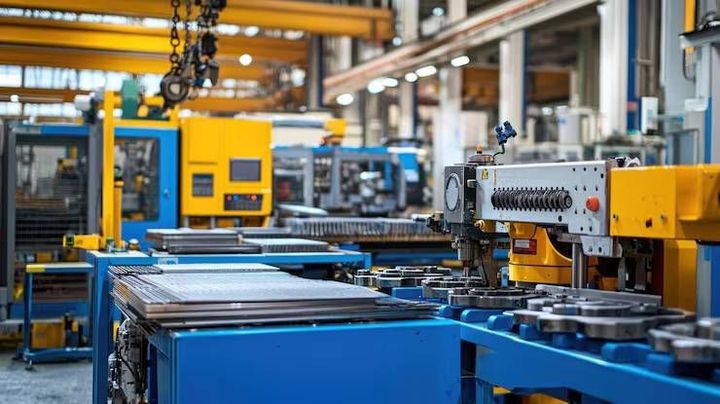
Manufacturing machinery refers to the equipment, machines, and automated systems used to produce, shape, assemble, process, and package different products. These technologies play an important role in industries such as automotive manufacturing, food processing, electronics, textiles, construction materials, and metal fabrication.
Modern manufacturing combines mechanical engineering, industrial automation, robotics, and digital technologies to improve production accuracy, workplace safety, and operational efficiency.
Manufacturing Machinery and Its Role in Modern Industry
Context: Understanding Manufacturing Machinery
Manufacturing machinery includes equipment designed to transform raw materials into finished products or industrial components. These machines perform specific tasks with controlled movements, speed, temperature, pressure, and precision.
Before industrial machinery became common, many production activities depended heavily on manual work. The development of mechanical equipment made it possible to produce goods in larger quantities while maintaining consistent quality.
Common categories of manufacturing machinery include:
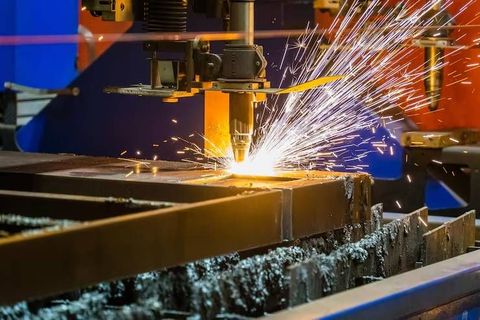
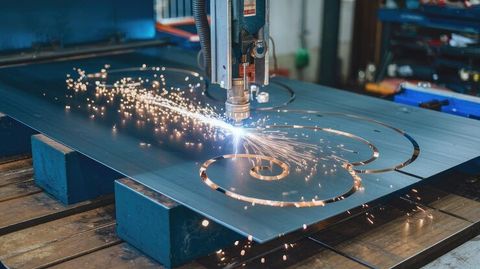
CNC machines: Used for precise cutting, drilling, milling, and shaping.
Injection molding machines: Produce plastic components using heated materials and molds.
Hydraulic presses: Apply controlled pressure to shape metals and other materials.
Packaging machinery: Supports filling, sealing, labeling, and packaging processes.
Industrial robots: Perform repetitive assembly, welding, and material-handling tasks.
Food processing equipment: Supports mixing, grinding, heating, and processing operations.
Today, these technologies are increasingly connected with computerized control systems, sensors, and automated production lines.
Importance: Why Manufacturing Machinery Matters Today
Manufacturing machinery is important because modern industries require consistent production, accurate measurements, and dependable operating processes.
It affects manufacturers, industrial engineers, machine operators, equipment designers, maintenance teams, and supply-chain professionals.
Some major benefits include:
Production efficiency: Automated equipment can perform repetitive operations at consistent speeds.
Product quality: Precision machinery helps maintain uniform measurements and manufacturing standards.
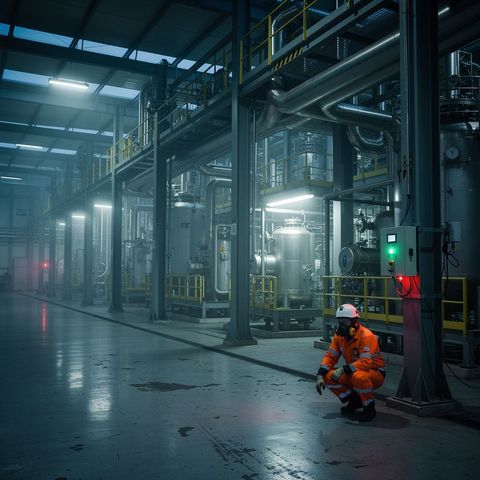
Workplace safety: Properly designed machines can reduce direct exposure to hazardous activities.
Material management: Advanced systems help control material usage and reduce unnecessary waste.
Industrial development: Modern machinery supports manufacturing capacity across different economic sectors.
For example, automotive factories use robotic welding systems, while electronics facilities rely on precision assembly equipment. Food processing plants use specialized machinery to maintain controlled production conditions.
Recent Updates: Manufacturing Technology Trends in 2025–2026
Manufacturing technology is developing through automation, artificial intelligence, robotics, and digital production systems.
Several important developments have shaped India's industrial machinery landscape.
Advanced manufacturing roadmap – October 29, 2025
NITI Aayog introduced a roadmap for advanced manufacturing that identified artificial intelligence, machine learning, robotics, digital twins, and advanced materials as important technologies for industrial development.
Production-linked manufacturing developments – March 27, 2026
Government figures reported that India's Production Linked Incentive (PLI) schemes across 14 sectors had attracted more than ₹2.16 lakh crore in cumulative investment by December 31, 2025. These initiatives support industrial expansion in areas including electronics and automobiles.
Growing domestic machinery production
Government data for 2024–25 showed increased production across several capital goods categories compared with 2019–20.
Machinery category | Production growth |
|---|---|
Earthmoving and mining machinery | 160.3% |
Printing machinery | 134.4% |
Machine tools | 132.2% |
Plastic-processing machinery | 105.4% |
Food-processing machinery | 102.1% |
These figures demonstrate the growing importance of domestic industrial equipment manufacturing.
Other emerging trends include predictive maintenance, energy-efficient motors, machine vision, connected sensors, and automated quality inspection.
Laws or Policies: Manufacturing Machinery Regulations in India
Manufacturing machinery is affected by industrial safety requirements, product standards, environmental regulations, and workplace protection laws.
Important Indian regulatory frameworks include:
Occupational Safety, Health and Working Conditions Code, 2020
The Code came into force on November 21, 2025. It establishes workplace safety responsibilities and includes duties for machinery designers, manufacturers, importers, and suppliers. Machinery must be designed and constructed to be safe when properly used.
Bureau of Indian Standards (BIS)
BIS develops Indian Standards covering machinery safety, electrical equipment, and industrial product requirements. Relevant standards depend on the machinery category and its intended application.
Machinery and Electrical Equipment Safety Order
The Ministry of Heavy Industries published amendments to the Omnibus Technical Regulation in 2025. However, the Ministry subsequently listed its withdrawal notification dated January 16, 2026. Therefore, the previously announced September 1, 2026 implementation date should not be treated as an active blanket requirement under that withdrawn order. Manufacturers should check the latest applicable product-specific regulations.
Other relevant requirements may include:
Factory and workplace safety provisions.
Environmental protection and industrial pollution controls.
Electrical safety standards.
Fire prevention and emergency preparedness.
Applicable state-level factory rules.
Regulatory requirements can vary according to machinery type, industrial activity, and location.
Tools and Resources: Helpful Manufacturing Technology Resources
Different digital tools help industrial professionals understand machinery performance, production planning, and equipment safety.
Tool or resource | Main purpose |
|---|---|
CAD software | Creating machinery designs and technical drawings |
CAM software | Planning computer-controlled manufacturing |
CNC simulation tools | Testing machining operations digitally |
Predictive maintenance software | Monitoring equipment condition |
Energy monitoring calculators | Estimating industrial energy consumption |
Machine safety checklists | Reviewing workplace equipment hazards |
Production planning templates | Organizing manufacturing activities |
Digital twin platforms | Simulating industrial equipment and processes |
Additional learning resources include:
Industrial engineering textbooks.
Machinery operation and maintenance manuals.
Technical documentation and engineering standards.
Government manufacturing policy publications.
Industrial safety training materials.
These resources help students, engineers, and industrial professionals understand modern production technologies.
FAQs: Common Questions About Manufacturing Machinery
1. What are the main types of manufacturing machinery?
Major types include CNC machines, hydraulic presses, injection molding equipment, industrial robots, packaging machines, and food processing equipment.
2. How does automation improve manufacturing?
Automation performs repetitive operations using programmed machinery, sensors, and control systems. It can improve production consistency, reduce manual handling, and support quality control.
3. What is CNC machinery used for?
Computer Numerical Control (CNC) machinery uses programmed instructions to control cutting, drilling, milling, and shaping operations with high precision.
4. What safety measures are important when operating industrial machinery?
Important measures include machine guards, emergency stop systems, operator training, regular inspections, protective equipment, and proper maintenance procedures.
5. How is artificial intelligence changing manufacturing machinery?
Artificial intelligence helps analyze machine data, identify unusual operating patterns, support predictive maintenance, and improve production planning. Its effectiveness depends on data quality and proper implementation.
Conclusion
Manufacturing machinery remains an essential part of modern industrial development. From traditional mechanical equipment to advanced robotic systems, these technologies help industries produce consistent products and manage complex manufacturing operations.
Automation, artificial intelligence, digital twins, and energy-efficient equipment are shaping the next stage of industrial development. At the same time, machinery safety, technical standards, and responsible equipment operation remain important priorities.
Understanding these technologies helps students, engineers, and general readers recognize how industrial machinery supports everyday products and the wider manufacturing economy.
Disclaimer
This article is intended for general educational and informational purposes. Manufacturing regulations, technical standards, and safety requirements may change over time. Always consult applicable government notifications and qualified technical professionals before making industrial or machinery-related decisions.