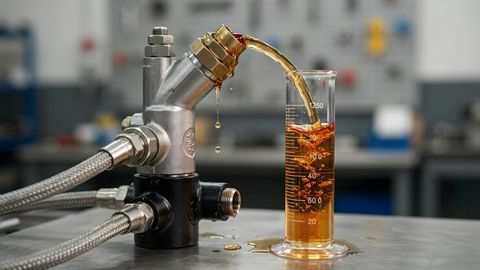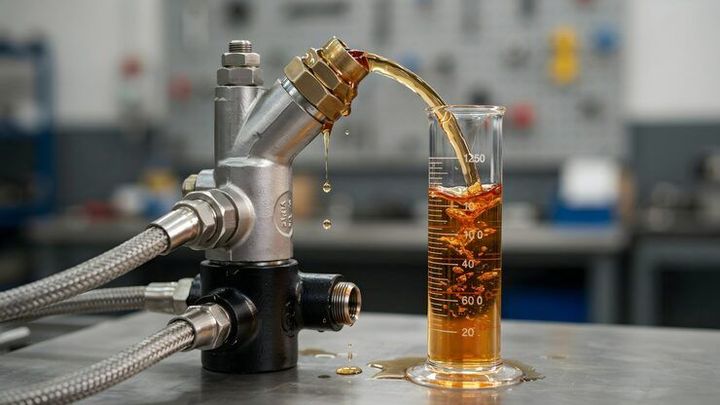
Hydraulic Fluid Equipment: Modern Systems, Safety and Trends
Hydraulic fluid equipment supports the controlled movement of machinery by transferring power through pressurized fluid. This guide explains system components, maintenance, standards, recent developments, and safety considerations in simple terms.
Hydraulic fluid equipment refers to the components and systems that use pressurized fluid to transmit power and control mechanical movement. These systems are common in construction machinery, manufacturing equipment, agricultural machines, material-handling systems, industrial presses, and mobile equipment.
A typical hydraulic circuit may include a hydraulic pump, reservoir, hydraulic cylinder, hydraulic motor, control valve, filter, hose, fittings, and pressure-control devices. Hydraulic fluid acts as the medium that transfers energy between these components.
The basic principle is straightforward: a pump moves fluid through the circuit, valves control its direction and pressure, and actuators convert hydraulic energy into mechanical movement.
Common Equipment Components
Important components include:
- Hydraulic pumps for fluid circulation
- Hydraulic cylinders for linear movement
- Hydraulic motors for rotary movement
- Directional and pressure-control valves
- Hydraulic filters and contamination-control equipment
- Reservoirs, hoses, pipes, and fittings
- Pressure and temperature monitoring instruments
Why Hydraulic Fluid Equipment Matters
Hydraulic systems allow machinery to produce controlled movement while handling substantial mechanical loads. Their compact design makes them useful where precise force, speed, and positioning are required.
Industries using industrial hydraulic systems, hydraulic power units, and fluid power equipment can include manufacturing, construction, agriculture, transportation, mining, and industrial processing.
Fluid condition is particularly important. Contaminated or unsuitable hydraulic fluid can contribute to component wear, blocked filters, inefficient operation, and premature equipment problems.
Factors That Affect Performance
System performance can be influenced by:
- Fluid viscosity and operating temperature
- Cleanliness and particle contamination
- Pressure and flow requirements
- Seal and hose compatibility
- Filter condition
- Pump and valve condition
- Correct fluid classification
Selecting hydraulic fluid should therefore be based on equipment specifications and the applicable fluid classification rather than viscosity alone.
Recent Updates and Industry Trends
Hydraulic technology continues to develop alongside industrial automation and energy-efficiency requirements. Digital monitoring, condition-based maintenance, improved filtration, and electronically controlled hydraulic systems are increasingly important areas of development.
A notable standards development is ISO 11158:2023, which replaced the earlier 2009 edition for mineral-oil hydraulic fluids and specifies categories including HH, HL, HM, HV, and HG.
Fire-resistant hydraulic fluids have also received updated international guidance. ISO 7745:2024 addresses requirements and guidelines for fire-resistant fluids used in hydraulic applications.
In 2025, ISO also published ISO 11365:2025, covering maintenance and use of triaryl phosphate ester turbine-control fluids.
These developments show continued attention to fluid classification, fire resistance, equipment compatibility, and fluid-management practices.
Laws and Policies in the United States
Hydraulic fluid equipment can be affected by workplace safety, environmental, chemical-management, waste-handling, and machinery requirements in the United States. Specific obligations depend on the equipment, industry, chemicals involved, and location.
The Occupational Safety and Health Administration (OSHA) framework is relevant to workplace hazards involving machinery, pressure systems, chemicals, and maintenance activities. Environmental requirements may also apply when hydraulic fluids are released, stored, handled, or disposed of.
Chemical regulations are another consideration. EPA's Toxics Release Inventory (TRI) framework has expanded its PFAS coverage. For reporting year 2025, nine additional PFAS were added, bringing the total to 205 PFAS subject to TRI reporting; reporting forms for that year were due July 1, 2026.
Not every hydraulic fluid contains PFAS, so applicability must be determined from the specific fluid's composition and regulatory status.
Tools and Resources
Useful resources for understanding and managing hydraulic systems include:
- Hydraulic pressure and flow calculators
- Viscosity conversion calculators
- Fluid contamination analysis worksheets
- Hydraulic circuit diagrams
- Preventive-maintenance checklists
- Equipment pressure and temperature logs
- Fluid sampling records
- Manufacturer equipment manuals
- Hydraulic-fluid classification tables
- Workplace chemical-safety documentation
Digital sensors can also help monitor pressure, temperature, fluid condition, and operating patterns, supporting data-driven maintenance decisions.
Frequently Asked Questions
What is hydraulic fluid equipment?
It is a collection of components that uses pressurized fluid to transmit power and control mechanical movement. Pumps, valves, cylinders, motors, filters, reservoirs, hoses, and monitoring devices are common examples.
What does hydraulic fluid do?
Hydraulic fluid transfers energy through a hydraulic circuit. It can also provide lubrication, heat transfer, corrosion protection, and contamination transport toward filtration components.
Why is hydraulic fluid cleanliness important?
Particles and other contaminants can damage pumps, valves, seals, and other precision components. Maintaining appropriate fluid cleanliness helps support reliable hydraulic-system operation.
What are common hydraulic fluid classifications?
Mineral-oil hydraulic fluids are commonly classified under systems such as ISO 11158, including categories such as HH, HL, HM, HV, and HG. Fire-resistant fluids are addressed through separate standards, including ISO 12922.
How should hydraulic fluid be selected?
The appropriate fluid should be determined from the equipment manufacturer's specifications, operating temperature, pressure, materials, seals, environmental conditions, and applicable fluid classification.
Conclusion
Hydraulic fluid equipment remains an important part of modern industrial and mobile machinery. Understanding pumps, valves, actuators, filtration, fluid properties, and monitoring practices helps users better understand how hydraulic systems operate.
Recent standards developments, digital monitoring, improved contamination control, and attention to fire-resistant fluids are shaping the field. Safe operation ultimately depends on using compatible equipment and fluids, following manufacturer requirements, maintaining suitable cleanliness, and observing applicable workplace and environmental regulations.
Disclaimer: This article is provided for general educational purposes and is not a substitute for equipment-specific technical documentation, professional engineering guidance, safety instructions, or applicable federal, state, and local regulations.