MRI Equipment Guide: Understanding Imaging Technology
Explore MRI equipment and imaging technology fundamentals. Learn how magnetic resonance imaging works, its benefits, applications, and key considerations for healthcare facilities.
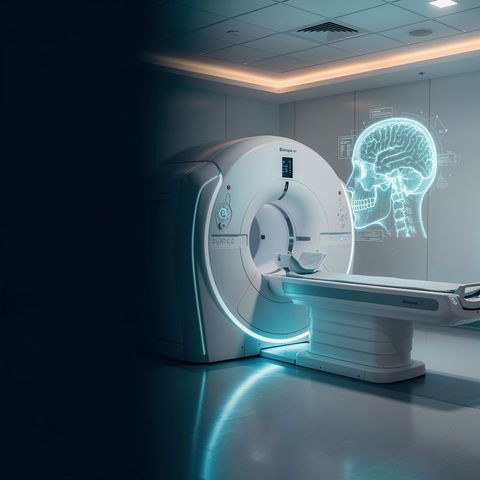
Magnetic Resonance Imaging (MRI) has become an indispensable tool in modern healthcare, offering unprecedented insights into the human body without using harmful ionizing radiation. MRI equipment represents a sophisticated fusion of physics, engineering, and medical science, enabling clinicians to visualize soft tissues, organs, and neurological structures with exceptional clarity and detail. Understanding how MRI technology works, its advantages, limitations, and evolving capabilities is essential for healthcare professionals, facility administrators, and anyone interested in medical imaging innovation.
Benefits and Limitations of MRI Technology
MRI imaging offers numerous advantages that have made it a cornerstone of diagnostic medicine. The non-invasive nature of MRI scanning eliminates exposure to ionizing radiation, making it particularly valuable for pediatric patients, pregnant women, and individuals requiring repeated imaging studies. MRI's exceptional soft tissue contrast resolution allows clinicians to detect subtle pathological changes in the brain, spinal cord, joints, and organs that might not be visible on other imaging modalities.
The technology excels at visualizing neurological conditions, including stroke, tumors, multiple sclerosis, and degenerative disc disease. MRI also provides superior imaging of musculoskeletal structures, making it the gold standard for evaluating ligament tears, cartilage damage, and joint abnormalities. Functional MRI (fMRI) capabilities enable assessment of brain activity, while MR angiography visualizes blood vessels without requiring contrast injection.
However, MRI technology does have limitations. The imaging process is time-consuming, typically requiring 30 to 60 minutes for a complete examination. Patients with metallic implants, including certain pacemakers, cochlear implants, and ferromagnetic aneurysm clips, cannot safely undergo MRI scanning. Claustrophobia affects some patients, though open and wide-bore MRI systems have improved accessibility. Additionally, MRI equipment represents significant capital investment, and operational costs remain higher than conventional radiography.
Types of MRI Equipment and Systems
MRI systems are classified primarily by field strength, measured in Tesla (T). Low-field systems operate at 0.5T or below, offering lower costs and reduced heating effects but with compromised image quality. Mid-field systems, typically 1.0T to 1.5T, represent the most common configuration in clinical practice, providing excellent diagnostic capability with manageable operational requirements. High-field systems at 3.0T deliver superior image resolution and signal-to-noise ratios, enabling advanced applications and faster imaging protocols.
Ultra-high-field systems operating at 7.0T and above are primarily research instruments, though some clinical applications are emerging. These systems provide exceptional image detail but require specialized expertise and careful patient selection due to increased safety considerations.
MRI equipment also varies in design configuration. Closed-bore systems feature a traditional cylindrical design with the patient completely enclosed within the magnet, offering optimal image quality. Open MRI systems provide a more spacious environment, reducing claustrophobia and accommodating obese or pediatric patients. Wide-bore systems represent a compromise, offering improved patient comfort while maintaining good image quality.
Current Trends in MRI Imaging Technology
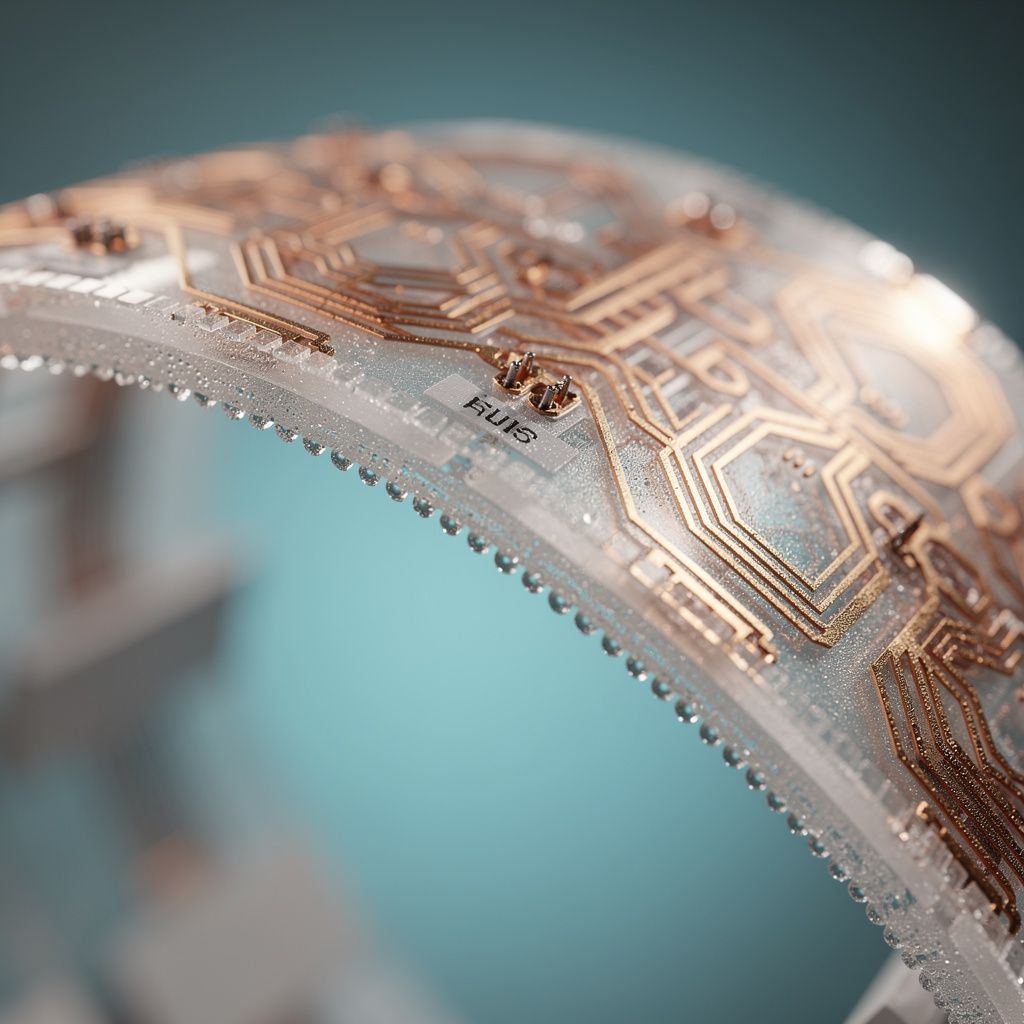
The MRI industry continues to evolve with significant technological innovations. Artificial intelligence integration is enhancing image reconstruction, reducing scan times, and improving diagnostic accuracy. Machine learning algorithms analyze imaging data to identify subtle pathological patterns, assisting radiologists in diagnosis and treatment planning.
Portable and point-of-care MRI systems are emerging, bringing imaging capabilities to emergency departments and remote locations. Hybrid imaging systems combining MRI with PET (Positron Emission Tomography) enable simultaneous anatomical and metabolic assessment, particularly valuable in oncology and neurology.
Faster imaging sequences, including simultaneous multislice technology and compressed sensing techniques, significantly reduce examination duration. Molecular imaging applications using specialized contrast agents enable visualization of cellular and molecular processes, opening new diagnostic possibilities. Quantitative imaging biomarkers provide objective measurements for disease assessment and treatment response monitoring.
Key Features and Components of MRI Systems
Modern MRI equipment comprises several essential components working in coordinated harmony. The main magnetic field, typically a superconducting magnet cooled with liquid helium, generates the powerful magnetic environment essential for imaging. Gradient coils create spatially varying magnetic fields, enabling precise localization of signals from different body regions. Radiofrequency (RF) coils transmit and receive electromagnetic signals, with specialized coils designed for different anatomical regions.
The control system manages all operational parameters, including field strength, pulse sequences, and image reconstruction. Advanced cooling systems maintain optimal magnet temperature, while shielding protects surrounding areas from magnetic field effects. Patient positioning systems ensure accurate anatomical alignment, and safety monitoring equipment continuously tracks patient status during imaging.
Leading MRI Equipment Manufacturers and Providers
The MRI equipment market includes several established manufacturers offering diverse system options. Major companies develop systems ranging from entry-level configurations suitable for smaller facilities to advanced research platforms. These manufacturers provide comprehensive support including installation, training, maintenance, and software updates throughout the equipment's operational lifespan.
Equipment selection depends on facility size, patient population, clinical needs, budget constraints, and space availability. Manufacturers offer various financing and leasing options to accommodate different organizational structures and financial situations.
Selecting and Planning MRI Equipment Installation
Choosing appropriate MRI equipment requires careful assessment of clinical needs and operational requirements. Facility administrators should evaluate patient demographics, anticipated imaging volume, and clinical specialties served. Space planning is critical, as MRI systems require dedicated rooms with specific magnetic shielding and environmental controls.
Electrical infrastructure must support substantial power requirements, and cooling systems need reliable water supply. Site preparation typically requires several months and involves architectural modifications, equipment installation, and system calibration. Staffing considerations include recruiting qualified MRI technologists and radiologists with appropriate training and certification.
Best Practices and Tips for MRI Operations
Successful MRI program implementation requires attention to multiple operational factors. Comprehensive safety protocols protect patients and staff from magnetic field hazards. Regular equipment maintenance ensures optimal performance and extends system lifespan. Staff training programs maintain competency in patient safety, image quality optimization, and equipment troubleshooting.
Quality assurance programs monitor image quality through standardized phantom studies and performance metrics. Efficient scheduling maximizes equipment utilization while maintaining adequate turnaround time for system maintenance. Infection control procedures address decontamination of coils and positioning equipment between patients. Documentation systems track maintenance activities, performance metrics, and equipment modifications.
Frequently Asked Questions About MRI Equipment
What makes MRI safer than CT scanning?
MRI uses magnetic fields and radio waves rather than ionizing radiation, eliminating cumulative radiation exposure risks. This makes MRI particularly suitable for pediatric patients and individuals requiring multiple imaging studies throughout their lives.
How long does MRI equipment installation typically require?
Installation timelines vary based on site preparation requirements, typically ranging from three to six months. This includes facility modifications, equipment delivery, installation, testing, and regulatory approval.
Can patients with metal implants undergo MRI scanning?
Many modern implants are MRI-compatible, though ferromagnetic materials pose safety risks. Patients must undergo thorough screening to verify implant compatibility before MRI examination. Some implants require specific precautions or contraindicate MRI entirely.
What is the difference between 1.5T and 3.0T MRI systems?
3.0T systems provide superior image resolution and faster imaging capabilities compared to 1.5T systems. However, 1.5T systems remain clinically effective for most applications and offer lower operational costs and reduced heating effects.
How does functional MRI differ from conventional MRI?
Functional MRI (fMRI) measures blood flow changes associated with brain activity, enabling visualization of which brain regions activate during specific tasks or at rest. Conventional MRI provides anatomical images showing structural details.
What training is required for MRI technologists?
MRI technologists typically complete specialized certification programs, including formal education in MRI physics, safety protocols, and clinical applications. Continuing education maintains competency with evolving technology and techniques.
Comparison of MRI System Types
| System Type | Field Strength | Image Quality | Scan Time | Cost |
|---|---|---|---|---|
| Low-Field | 0.5T or below | Moderate | Longer | Lower |
| Mid-Field | 1.0T - 1.5T | Excellent | Moderate | Moderate |
| High-Field | 3.0T | Superior | Shorter | Higher |
| Ultra-High-Field | 7.0T and above | Exceptional | Variable | Very High |
MRI Equipment Selection Checklist
When evaluating MRI equipment options, consider the following factors:
- Clinical applications and imaging protocols required for your patient population
- Anticipated imaging volume and equipment utilization rates
- Available facility space and site preparation requirements
- Electrical infrastructure and cooling system capacity
- Budget constraints and financing options
- Manufacturer reputation, support services, and warranty coverage
- Training and certification requirements for staff
- Regulatory compliance and accreditation standards
- Integration with existing hospital information systems
- Long-term maintenance costs and service agreements
Conclusion
MRI equipment and imaging technology represent a remarkable achievement in medical science, providing clinicians with powerful diagnostic tools that enhance patient care across numerous medical specialties. Understanding the principles, capabilities, and limitations of MRI systems enables healthcare professionals to utilize this technology effectively while maintaining patient safety and optimizing clinical outcomes. As technology continues to advance, MRI imaging becomes increasingly accessible, faster, and more capable of detecting subtle pathological changes. Whether implementing a new MRI program or optimizing existing equipment utilization, comprehensive knowledge of MRI technology supports informed decision-making and excellence in diagnostic imaging services.