Automated Spray Drying Systems: Complete Guide
Explore how automated spray drying systems transform liquid into powder form with precision, efficiency, and consistency for pharmaceuticals, food, and chemicals.
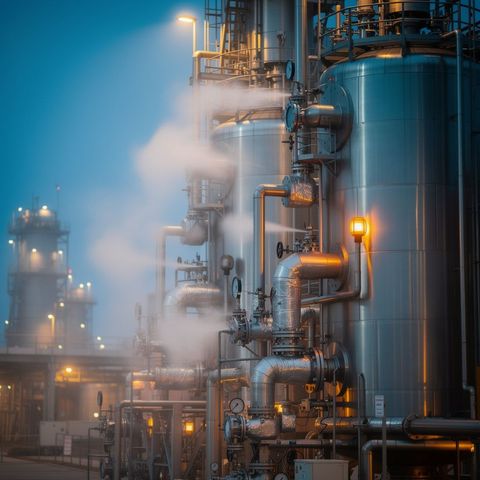
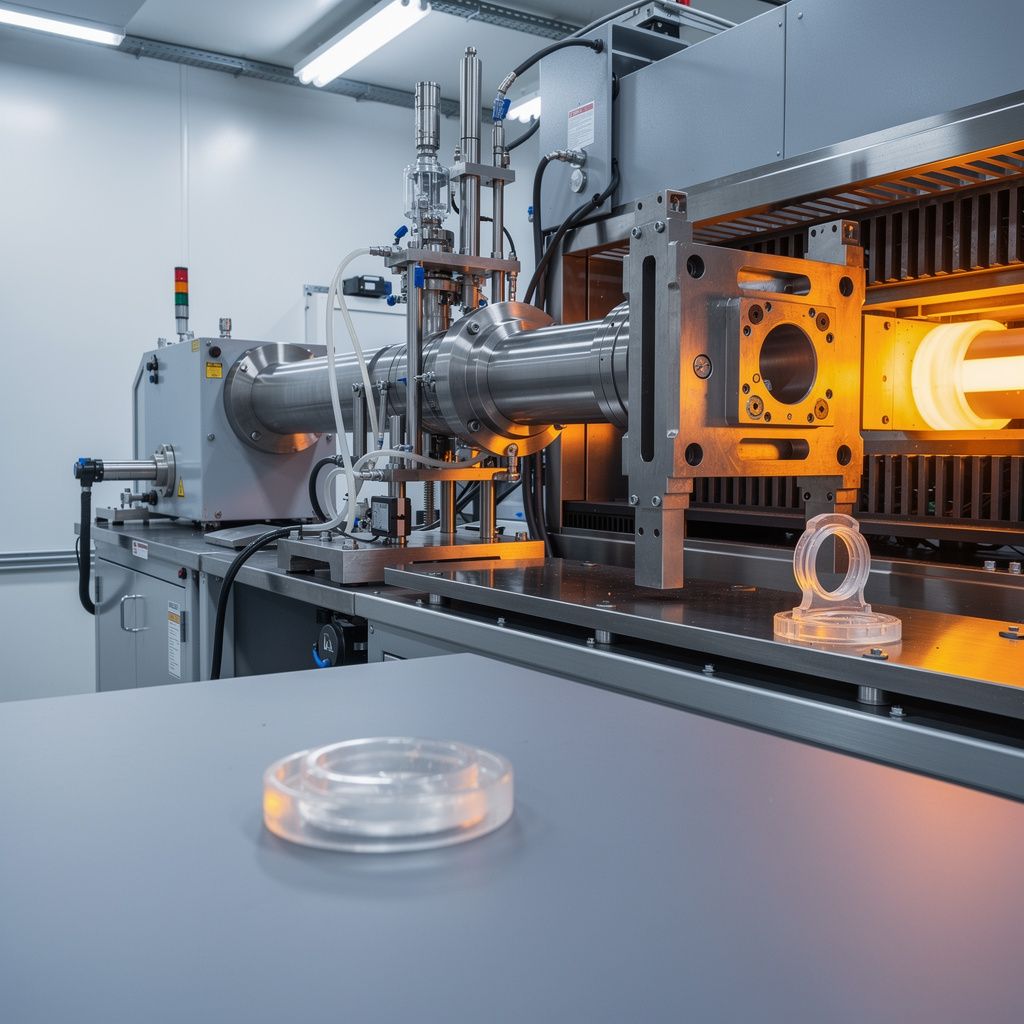
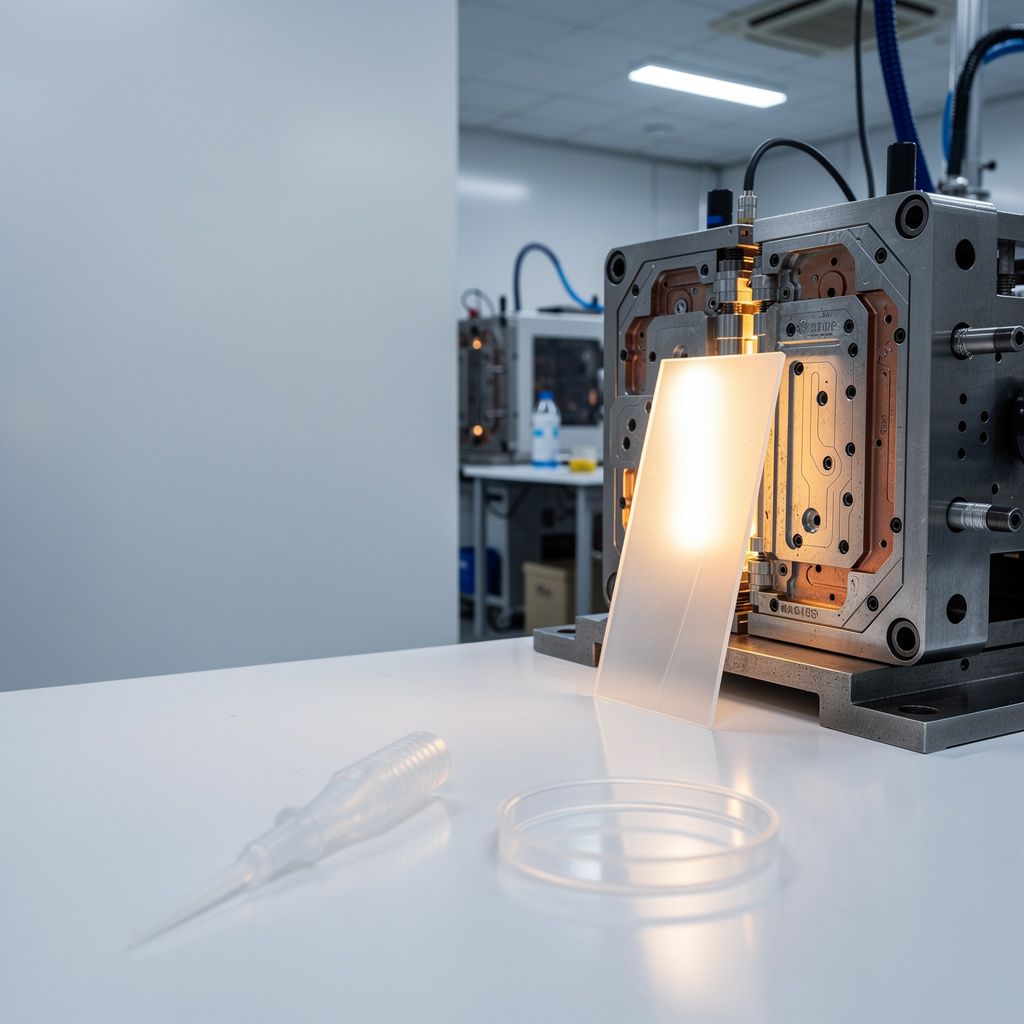
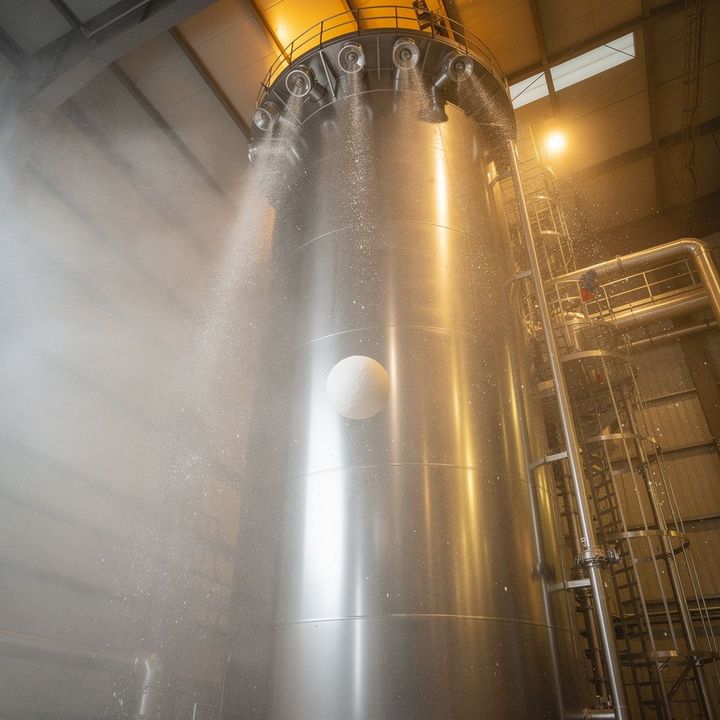
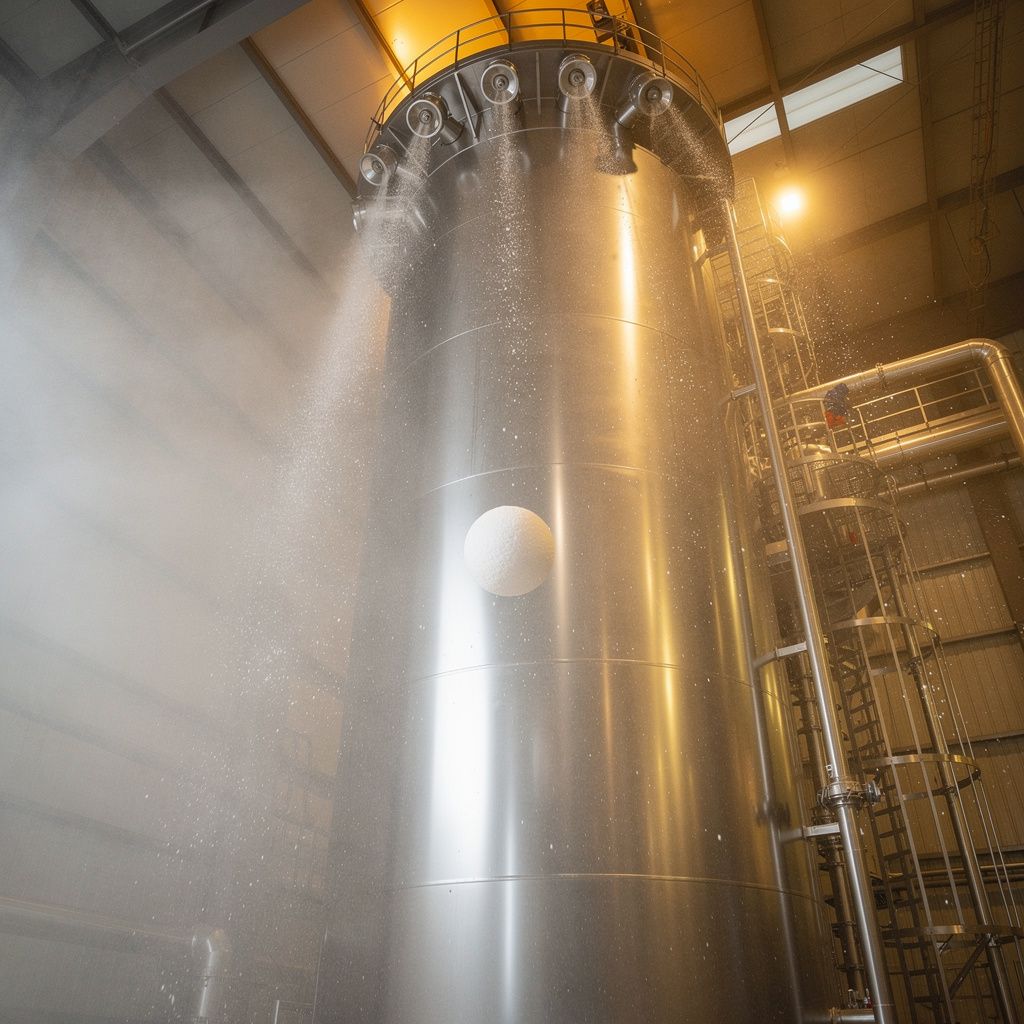
Automated spray drying systems represent a cornerstone technology for converting liquid solutions, suspensions, and emulsions into stable powder forms with exceptional consistency and quality control. These systems operate through a continuous, closed-loop process that atomizes liquid feedstock into fine droplets, evaporates moisture in a heated chamber, and collects resulting particles through cyclone separators or bag filters. Unlike batch drying methods, automated spray drying achieves production rates from kilograms to tons per hour while maintaining tight specifications on particle size distribution, moisture content, and bulk density. The technology serves critical roles across pharmaceuticals, food manufacturing, dairy processing, chemical production, and specialty materials industries.
Core Benefits and Practical Limitations of Automated Spray Drying
Automated spray drying delivers measurable operational and product quality advantages alongside specific constraints that merit careful evaluation. Understanding both dimensions ensures realistic expectations and optimal system selection for your production environment.
Primary Operational Benefits
Spray drying achieves particle sizes between 5 and 500 micrometers with narrow distribution curves, enabling consistent product performance in downstream applications. The rapid evaporation process—typically 5 to 30 seconds in the drying chamber—preserves heat-sensitive compounds including vitamins, probiotics, and pharmaceutical actives that would degrade under conventional thermal methods. Automation eliminates manual handling steps, reducing contamination risk and labor requirements by 60 to 80 percent compared to tray or drum drying alternatives. Continuous operation maintains steady-state conditions, producing uniform batches with coefficient of variation below 5 percent for critical parameters. Real-time sensor feedback enables immediate adjustment of inlet temperature, atomizer speed, and feed rate to compensate for feedstock viscosity variations or environmental changes.
Energy efficiency improves significantly through direct heat transfer to atomized droplets. The high surface-area-to-volume ratio of fine mist droplets enables evaporation rates of 500 to 1,000 kilograms of water per hour per cubic meter of drying chamber volume. Integrated heat recovery systems capture exhaust air energy, reducing thermal losses by 20 to 35 percent. Closed-loop operation with bag filters or cyclone separators minimizes product loss, recovering 98 to 99.5 percent of dried solids while containing dust emissions within regulatory limits.
Technical and Operational Limitations
Initial capital investment ranges from $150,000 for laboratory-scale systems to $2 million-plus for production units with integrated controls and environmental compliance features. Complex feedstock properties present challenges: materials with adhesive characteristics may stick to chamber walls, requiring periodic cleaning; highly viscous solutions demand specialized atomizers; and foaming solutions require defoaming pretreatment. Drying chamber residence time of 5 to 30 seconds limits control over final moisture content for materials requiring extended drying. Thermal sensitivity requires careful temperature management—inlet air temperatures typically range from 120 to 220 degrees Celsius, and some active ingredients cannot tolerate these conditions without protective encapsulation. Particle size distribution cannot be narrowed below inherent limits determined by atomizer design and feed properties; achieving ultra-fine particles below 10 micrometers requires specialized nozzles with reduced throughput.
Maintenance demands skilled technicians for atomizer calibration, chamber cleaning, and filter replacement. Downtime for cleaning between product runs typically ranges from 2 to 8 hours depending on system complexity and product residue characteristics. Regulatory compliance for pharmaceutical and food applications requires extensive validation protocols, including installation qualification, operational qualification, and performance qualification studies that extend project timelines by 6 to 12 months.
Types and Technical Variations in Spray Drying Systems
Spray drying technology encompasses distinct system architectures, each optimized for specific feedstock properties and production requirements. Understanding these variations enables selection of the configuration best suited to your application.
Atomizer Type Classification
Pressure nozzle atomizers force liquid through a single orifice at pressures between 50 and 350 bar, creating a conical spray pattern. These systems offer simplicity, lower cost, and compatibility with moderately viscous solutions up to 5,000 centipoise. Throughput ranges from 5 to 500 kilograms per hour depending on nozzle size and operating pressure. Particle size averages 20 to 100 micrometers with moderate distribution width.
Rotary atomizers employ a spinning disk or cup rotating at 5,000 to 50,000 revolutions per minute, flinging liquid outward to create fine mist. These systems handle highly viscous materials exceeding 10,000 centipoise and produce narrower particle size distributions averaging 10 to 50 micrometers. Production rates reach 1,000 to 5,000 kilograms per hour for suitable feedstocks. Rotary systems require more sophisticated drive mechanisms and bearing assemblies, increasing complexity and maintenance requirements.
Two-fluid or ultrasonic atomizers use compressed gas or ultrasonic vibration to fragment liquid into fine droplets. Gas atomization produces particles as small as 3 to 15 micrometers but requires compressed air or inert gas supply. Ultrasonic atomization operates at lower pressures and temperatures, preserving heat-sensitive materials, but throughput remains limited to 50 to 200 kilograms per hour.
Chamber Configuration Variations
Co-current chamber designs introduce hot air at the top with atomizer, moving downward alongside falling droplets. This configuration achieves rapid initial evaporation, minimizing thermal exposure for heat-sensitive materials. Residence times of 5 to 15 seconds produce powders with moisture content as low as 2 to 3 percent. Co-current systems dominate pharmaceutical and nutraceutical applications.
Counter-current designs introduce hot air at the bottom, moving upward against falling droplets. This arrangement extends residence time to 20 to 40 seconds, enabling complete drying of difficult feedstocks. Particles exit at the bottom, reducing dust entrainment in exhaust air. Counter-current systems suit applications requiring very low final moisture content or handling sticky materials requiring extended drying time.
Mixed-flow chambers combine upward-moving hot air in the lower chamber section with downward movement in the upper section, optimizing both initial evaporation and final drying stages. These systems provide flexibility for varied feedstock properties within a single installation.
Current Trends and Technological Innovations in Spray Drying
The spray drying industry continues advancing through automation, sensor integration, and process optimization technologies that enhance efficiency and regulatory compliance.
Advanced process analytical technology (PAT) systems now integrate real-time particle size analysis, moisture measurement, and thermal imaging into spray drying operations. Laser diffraction sensors provide instantaneous particle size distribution data, enabling closed-loop feedback control that maintains specifications without manual sampling. Near-infrared spectroscopy measures product moisture content continuously, adjusting inlet temperature or feed rate automatically to maintain target moisture levels within ±0.5 percent.
Modular system designs enable rapid product changeover and scalability. Standardized atomizer interfaces, interchangeable collection systems, and plug-and-play sensor modules reduce downtime between production runs from 8 hours to 1 to 2 hours. This flexibility supports contract manufacturing operations and small-batch specialty product production.
Energy recovery technologies have advanced significantly. Integrated heat exchangers capture sensible heat from exhaust air, preheating inlet air to reduce fuel consumption by 25 to 40 percent. Some systems incorporate thermal storage with phase-change materials, smoothing demand variations and improving overall energy efficiency. Hybrid systems combining spray drying with fluid bed finishing or agglomeration stages enable production of larger, more flowable particles from fine spray-dried powders.
Sustainability initiatives drive development of low-temperature spray drying systems operating at inlet temperatures below 100 degrees Celsius, expanding compatibility with temperature-sensitive biologics and reducing energy consumption. Solvent recovery systems enable spray drying of organic solutions, recovering 95 percent of volatile solvents for reuse while producing dry solids. These innovations address environmental regulations and rising energy costs while expanding application scope.
Key Features and Specifications to Evaluate
Selecting an automated spray drying system requires evaluation of multiple technical parameters and operational characteristics aligned with your specific production requirements.
| Specification Category | Typical Range | Selection Criteria |
|---|---|---|
| Production Capacity | 5 kg/hr to 5,000 kg/hr | Match to target production volume with 20-30% headroom for future growth |
| Inlet Air Temperature | 80–250°C | Lower for heat-sensitive materials; higher for rapid drying of viscous feedstocks |
| Particle Size Range | 3–500 micrometers | Determined by atomizer type and feedstock properties; verify distribution width meets product specifications |
| Final Moisture Content | 0.5–5% w/w | Depends on residence time and chamber design; pharmaceutical products typically require below 3% |
| Chamber Volume | 1–50 cubic meters | Larger chambers enable longer residence time; critical for difficult-to-dry feedstocks |
| Atomizer Type | Pressure nozzle, rotary, two-fluid | Match to feedstock viscosity and desired particle size; consider maintenance requirements |
| Collection System | Cyclone, bag filter, electrostatic | Cyclone for high throughput; bag filter for fine particles and regulatory compliance |
| Control System | PLC-based with sensors | Verify real-time monitoring of temperature, feed rate, and product parameters; data logging capability |
Chamber material selection impacts performance and longevity. Stainless steel 316L resists corrosion from acidic or salt-containing feedstocks. Ceramic or refractory-lined chambers reduce heat loss and extend service life for high-temperature operations. Inspection ports and clean-out access doors facilitate maintenance and reduce downtime.
Feed system design requires careful attention to feedstock properties. Positive displacement pumps handle viscous materials better than centrifugal pumps. Preheating systems maintain feedstock temperature, reducing viscosity fluctuations. Defoaming or deaeration equipment prevents bubble formation that disrupts atomization and creates oversized particles.
Industry Landscape and Notable Implementations
Spray drying technology serves diverse industries with distinct application requirements and regulatory frameworks. Pharmaceutical manufacturers use spray drying to produce immediate-release and modified-release formulations, microencapsulated actives, and inhalation powders. Production scales range from 50 kilograms per batch for specialty compounds to 2,000 kilograms per hour for high-volume generic medications.
Dairy industry applications include milk powder production (achieving 100,000 metric tons annually in major producing nations), whey protein concentrates, and lactose production. These applications demand high throughput, consistent bulk density for packaging efficiency, and low bacterial counts meeting international standards.
Food ingredient manufacturers produce spray-dried coffee, tea extracts, fruit concentrates, and flavor compounds. These applications prioritize retention of volatile flavor compounds and color preservation, driving adoption of low-temperature spray drying systems.
Chemical manufacturers employ spray drying for catalyst production, pigment manufacturing, and specialty chemical synthesis. These applications often involve hazardous materials, driving investment in fully enclosed systems with explosion-proof controls and inert atmosphere capability.
Nutraceutical and supplement producers use spray drying to stabilize probiotics, encapsulate omega-3 oils, and produce botanical extracts. These applications require gentle drying conditions and often incorporate protective matrices or carriers to preserve biological activity.
Selection and Decision-Making Framework
Choosing an automated spray drying system requires systematic evaluation of technical requirements, operational constraints, and long-term business objectives. Follow this structured approach to align system selection with your specific needs.
Step 1: Define Feedstock Characteristics
Document your liquid feedstock's viscosity range, surface tension, foaming tendency, thermal sensitivity, and desired final product specifications. Conduct small-scale spray drying trials with candidate systems to verify achievable particle size, moisture content, and bulk density. Test feedstock stability at proposed inlet temperatures and residence times.
Step 2: Establish Production Requirements
Calculate required throughput with 25 to 30 percent safety margin for future growth. Determine acceptable batch size and frequency—continuous operation, daily batches, or weekly campaigns each favor different system architectures. Define acceptable downtime for cleaning and maintenance based on your production schedule.
Step 3: Evaluate Regulatory Requirements
Pharmaceutical and food applications require validation protocols, clean-room compatibility, and environmental monitoring. Budget 6 to 12 months for qualification activities beyond equipment installation. Verify supplier's experience with your specific regulatory framework—FDA, EMA, or other jurisdictional requirements.
Step 4: Compare System Architectures
Request detailed specifications and performance data from multiple suppliers. Prioritize systems with real-time process monitoring, automated controls, and documented track records in similar applications. Evaluate chamber design, atomizer options, and collection system flexibility for your specific feedstock properties.
Step 5: Assess Total Cost of Ownership
Calculate capital cost, installation and validation expenses, annual maintenance and spare parts costs, and energy consumption over a 10-year operational life. Include labor costs for operation and cleaning. Systems with lower capital cost but higher energy consumption or maintenance requirements may prove more expensive long-term.
Actionable Tips and Practical Best Practices
Successful spray drying operations require attention to process fundamentals and proactive maintenance. Implement these evidence-based practices to optimize performance and reliability.
- Feedstock Preparation: Filter all feedstock through 100-micron screens to remove particulates that damage atomizers or create oversized particles. Maintain feedstock temperature within ±5 degrees Celsius of target to minimize viscosity variations affecting atomization consistency.
- Atomizer Optimization: Clean atomizers daily using appropriate solvents matching your feedstock chemistry. Pressure nozzles require cleaning of internal orifices; rotary atomizers need bearing lubrication verification. Replace worn atomizers showing particle size drift exceeding 10 percent from baseline.
- Chamber Management: Perform visual chamber inspections weekly, documenting any deposits or coating buildup. Schedule deep cleaning every 100 to 200 operating hours for sticky feedstocks; every 500 to 1,000 hours for non-adhesive materials. Use appropriate cleaning solutions and soft brushes to avoid damaging refractory linings.
- Sensor Calibration: Calibrate temperature sensors monthly against certified reference standards. Verify moisture analyzers against Karl Fischer titration quarterly. Maintain calibration records for regulatory compliance and troubleshooting reference.
- Collection System Maintenance: Inspect bag filters for tears or leaks weekly; replace when pressure drop exceeds 150 millibars or visible dust appears in exhaust. Clean cyclone separators when collection efficiency drops below 95 percent, indicated by increased dust emissions.
- Documentation and Traceability: Record inlet temperature, feed rate, outlet temperature, and final product moisture for every batch. Maintain equipment maintenance logs documenting all service activities. This documentation supports regulatory compliance and enables rapid troubleshooting of process deviations.
- Energy Efficiency: Operate at the minimum inlet temperature achieving target moisture content—reducing inlet temperature by 10 degrees Celsius decreases energy consumption by approximately 8 to 12 percent. Maintain heat exchanger surfaces clean to preserve heat recovery efficiency.
- Safety Protocols: Verify interlocks preventing atomizer operation without adequate air flow. Ensure proper grounding and bonding for systems handling flammable solvents. Train operators on emergency shutdown procedures and confined space entry protocols for chamber cleaning.
Comprehensive FAQ Section
What is the typical lifespan of spray drying equipment?
Well-maintained spray drying systems operate reliably for 15 to 20 years. Atomizers typically require replacement every 3 to 5 years depending on feedstock abrasiveness and operating intensity. Bag filters need replacement every 2 to 3 years. Chamber refractory linings may last 10 to 15 years before requiring replacement. Regular maintenance, proper feedstock preparation, and adherence to operating parameters extend equipment life significantly. Systems receiving inadequate maintenance or operating outside design specifications may require major repairs within 5 to 8 years.
How do I determine the correct inlet air temperature for my feedstock?
Start with the lowest temperature achieving target final moisture content within your required residence time. Conduct trial runs increasing inlet temperature in 10-degree increments, measuring final product moisture and quality parameters. For heat-sensitive materials, use the minimum temperature producing acceptable results. Pharmaceutical actives typically require inlet temperatures below 150 degrees Celsius; food ingredients often tolerate 160 to 200 degrees Celsius; chemical products may require 200 to 250 degrees Celsius. Document the optimal temperature for your specific feedstock and maintain it consistently to ensure batch-to-batch uniformity.
What causes particle size variation between batches?
Feedstock viscosity changes are the primary cause—even 5 to 10 percent viscosity variations alter atomization patterns and particle size. Maintain feedstock temperature within ±3 degrees Celsius and monitor viscosity before each batch. Atomizer wear gradually increases particle size; compare particle size measurements to baseline monthly and replace atomizers when drift exceeds 10 percent. Inlet air temperature fluctuations affect evaporation rates and residence time; verify temperature stability within ±2 degrees Celsius. Feed rate variations alter drying chamber residence time; maintain constant feed rate using positive displacement pumps with flow control. Humidity in inlet air affects evaporation efficiency; consider desiccant air drying if ambient humidity exceeds 60 percent.
What is the difference between co-current and counter-current spray drying chambers?
Co-current chambers introduce hot air and atomized droplets at the top, moving downward together. Droplets encounter maximum heat at the beginning, enabling rapid initial evaporation and minimizing thermal exposure duration. This design suits heat-sensitive pharmaceuticals and nutraceuticals. Residence time is typically 5 to 15 seconds, producing powders with moisture content of 2 to 4 percent. Counter-current chambers introduce hot air at the bottom, moving upward against falling droplets. Droplets experience gradual heating, enabling extended drying suitable for difficult feedstocks. Residence time extends to 20 to 40 seconds, achieving lower final moisture content of 0.5 to 2 percent. Counter-current systems reduce dust entrainment since particles fall through cooler air before exiting. Selection depends on feedstock thermal sensitivity and target final moisture content.
How often should spray drying systems be cleaned, and what is the process?
Cleaning frequency depends on feedstock adhesiveness and product residue characteristics. Non-sticky materials like milk powder or stable chemical compounds require deep cleaning every 500 to 1,000 operating hours. Adhesive materials like fruit extracts or sticky pharmaceutical formulations require cleaning every 100 to 200 hours. Between-batch cleaning involves flushing the feed system with appropriate solvents and performing visual inspections. Deep cleaning requires chamber access and removal of significant deposits using soft brushes, approved solvents, and warm water rinses. Rotary atomizers need disassembly and bearing lubrication. Bag filters require removal and replacement or thorough cleaning. Total deep cleaning typically requires 4 to 8 hours depending on system size and deposit severity. Plan maintenance windows into your production schedule to minimize operational disruption.
What regulatory validations are required for pharmaceutical spray drying applications?
Pharmaceutical applications require Installation Qualification (IQ) documenting that equipment matches specifications and design drawings. Operational Qualification (OQ) verifies that equipment operates within design parameters across its operating range. Performance Qualification (PQ) demonstrates that the system consistently produces product meeting all specifications. These activities typically require 6 to 12 months and involve multiple batches of test material, extensive documentation, and third-party auditing. Additional requirements include environmental monitoring (temperature, humidity, particle counts in surrounding areas), cleaning validation demonstrating removal of product residues and microbiological control, and stability studies confirming that spray-dried products maintain potency and quality throughout shelf life. Budget $100,000 to $300,000 for comprehensive validation depending on product complexity and regulatory jurisdiction.
Conclusion and Actionable Key Takeaways
Automated spray drying systems deliver precise control, consistent quality, and operational efficiency for converting liquid feedstocks into stable powders across pharmaceuticals, food, chemicals, and specialty materials industries. Success requires matching system architecture to your specific feedstock properties, production volume, and regulatory requirements.
Key decisions include atomizer type selection based on feedstock viscosity and desired particle size, chamber configuration optimized for thermal sensitivity and final moisture requirements, and collection system design ensuring product recovery and dust control. Modern systems integrate advanced process analytical technology, real-time monitoring, and automated controls enabling consistent batch-to-batch performance.
Implement systematic feedstock characterization, thorough vendor evaluation, and comprehensive validation protocols to ensure your spray drying system delivers expected performance. Establish rigorous maintenance schedules, operator training programs, and documentation practices supporting long-term reliability and regulatory compliance. Regular monitoring of process parameters, sensor calibration, and equipment condition enables early detection of issues before they impact product quality or operational continuity.
Partner with equipment suppliers offering technical support, spare parts availability, and documented experience in your specific application. Budget appropriately for installation, validation, operator training, and ongoing maintenance—these investments directly correlate with equipment reliability and product quality. With proper selection, operation, and maintenance, automated spray drying systems provide 15 to 20 years of dependable service, delivering consistent products that meet the most demanding quality and regulatory requirements.