Pipe Extrusion Lines: The Ultimate Guide
Explore pipe extrusion lines and learn how these advanced manufacturing systems produce plastic, metal, and composite pipes with precision and efficiency.
Pipe extrusion lines represent a critical manufacturing technology that has transformed how industries produce pipes and tubes at scale. These integrated systems combine raw material input, heating, forming, cooling, and quality control into a seamless production process. From residential plumbing applications to high-performance industrial tubing, extrusion technology enables manufacturers to produce consistent, high-quality products efficiently. Understanding the fundamentals of pipe extrusion lines helps industry professionals make informed decisions about equipment selection, process optimization, and production planning.
Understanding Pipe Extrusion Technology
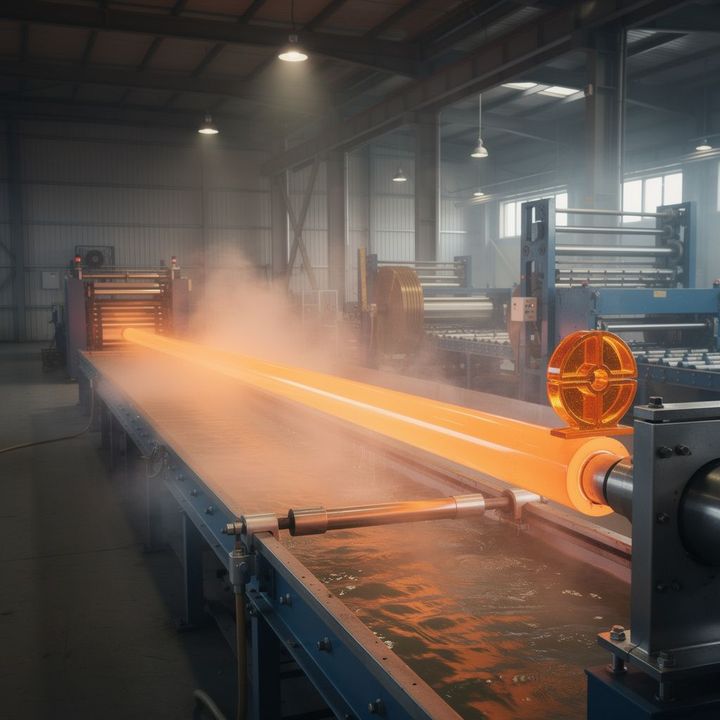
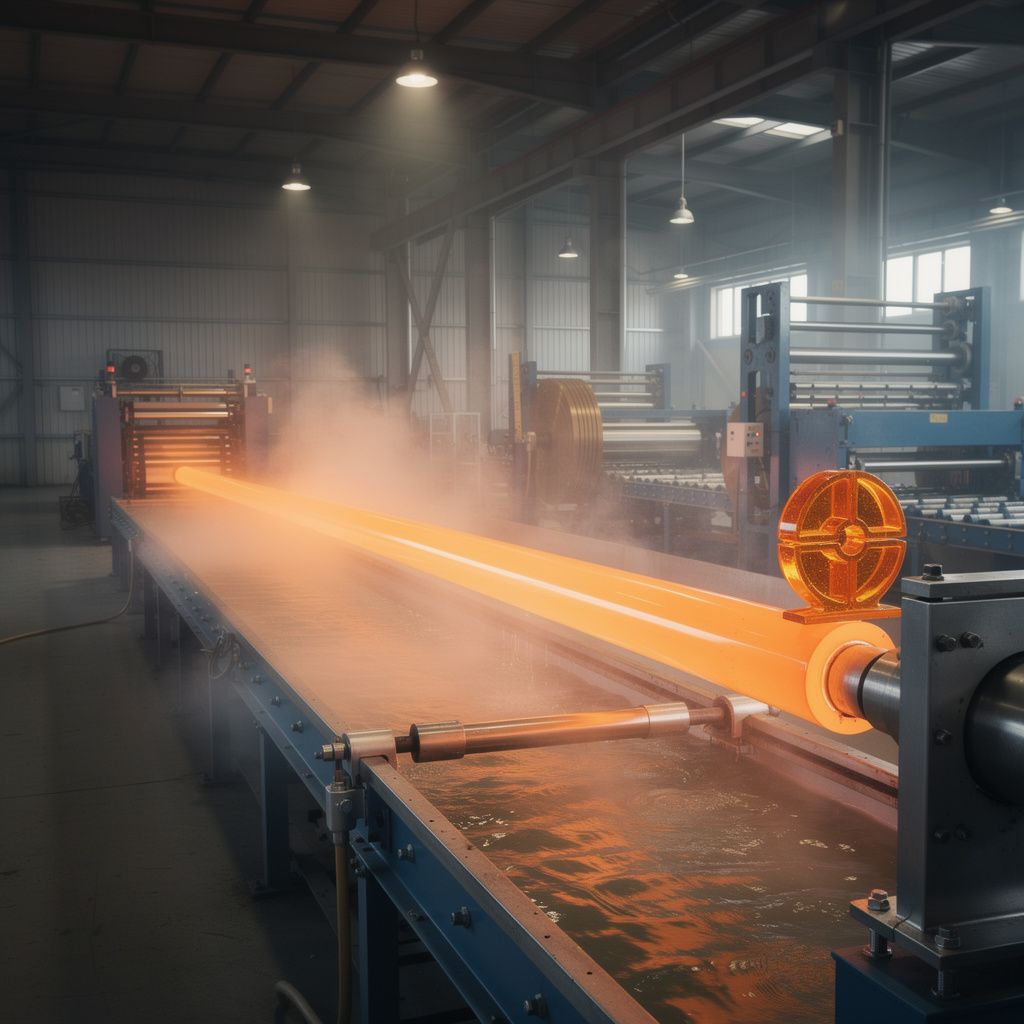
Pipe extrusion is a manufacturing process where raw material, typically plastic, metal, or composite compounds, is melted and forced through a specially designed die to create continuous pipe or tube shapes. The process begins with material loading into a hopper, which feeds into a heated barrel containing a rotating screw. As the screw rotates, it moves the material forward while applying heat and pressure, transforming solid pellets or powder into a homogeneous molten state. This molten material then passes through a die that shapes it into the desired pipe configuration. Once the pipe exits the die, it enters a cooling or solidification stage before being cut to length, inspected, and packaged.
Benefits and Limitations of Pipe Extrusion Lines
Pipe extrusion technology offers numerous advantages for manufacturers seeking to produce pipes and tubes at commercial scale. High production speeds enable manufacturers to create large volumes of consistent product, reducing per-unit costs and improving overall efficiency. The continuous nature of the process allows for minimal material waste compared to alternative manufacturing methods. Extrusion lines can accommodate various material types and formulations, providing flexibility for producing different pipe specifications and properties. Quality control systems integrated into modern lines ensure dimensional accuracy and material consistency throughout production runs.
However, pipe extrusion lines also present certain limitations that manufacturers must consider. Initial capital investment for equipment can be substantial, particularly for advanced systems with integrated automation and quality monitoring. Setup and changeover times between different pipe specifications require careful planning and skilled technicians. Material selection significantly impacts product quality and line performance, necessitating careful sourcing and testing. Environmental considerations, including energy consumption and material waste management, require ongoing attention and optimization.
Types of Pipe Extrusion Systems
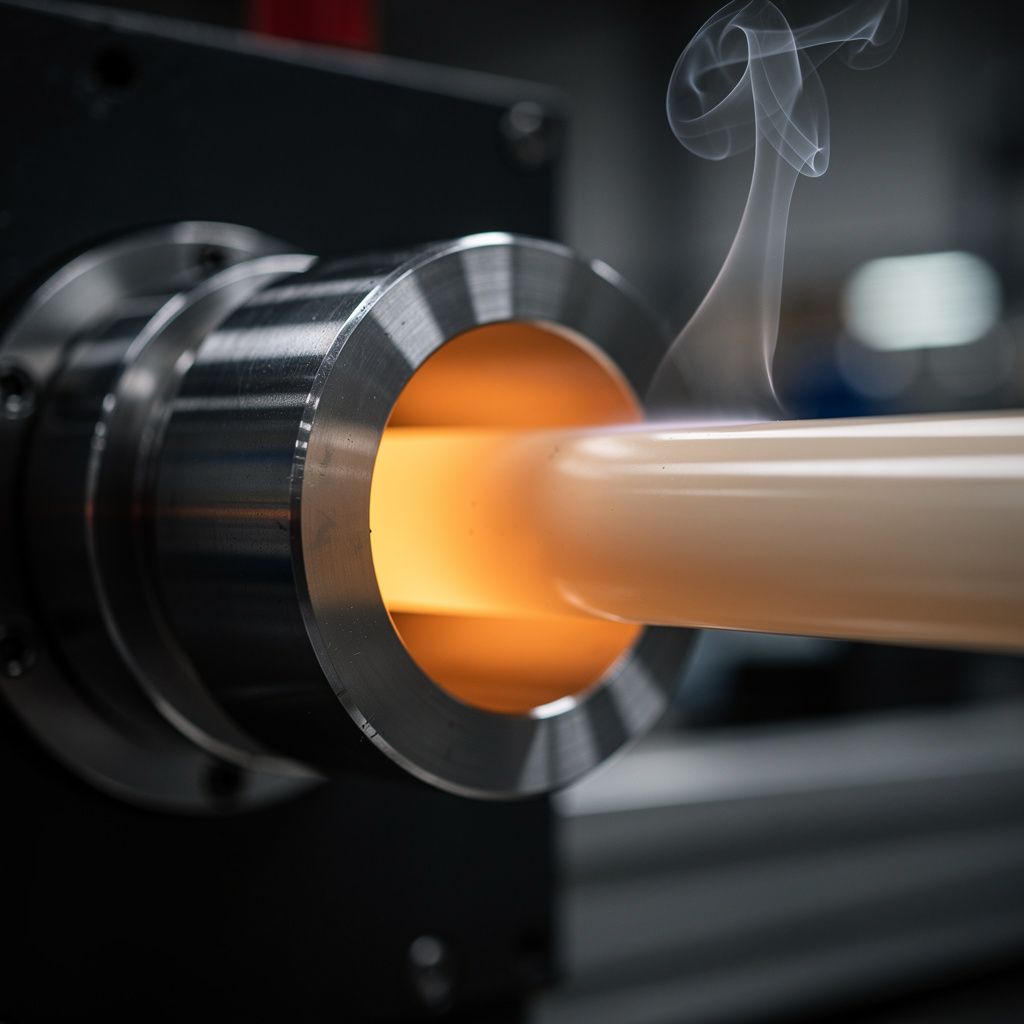
The pipe extrusion industry encompasses several distinct system types, each designed for specific applications and material requirements:
- Single-Screw Extrusion Lines: The most common configuration, featuring one rotating screw within a heated barrel. These systems excel at processing thermoplastic materials and offer good cost-effectiveness for standard applications.
- Twin-Screw Extrusion Lines: Featuring two intermeshing screws that provide superior mixing and material homogenization. These systems handle more complex material formulations and produce higher-quality output for demanding applications.
- Tandem Extrusion Lines: Multiple extruders working in sequence to achieve specific material properties or enhanced output. This configuration suits specialized applications requiring precise material blending.
- Co-Extrusion Systems: Capable of producing pipes with multiple material layers, enabling manufacturers to combine properties of different materials in a single product.
- Composite Extrusion Lines: Specialized systems designed for processing fiber-reinforced or composite materials, producing high-strength pipes for demanding industrial applications.
Current Industry Trends and Developments
The pipe extrusion industry continues to evolve with technological advancements and changing market demands. Manufacturers increasingly adopt Industry 4.0 technologies, integrating sensors, data analytics, and automation to optimize production efficiency and reduce downtime. Energy efficiency improvements focus on reducing power consumption through advanced screw designs and optimized heating systems. Sustainability initiatives drive development of systems capable of processing recycled materials and bio-based polymers, addressing environmental concerns. Smart quality control systems utilizing artificial intelligence and machine vision enable real-time defect detection and correction. Customization capabilities expand as manufacturers seek to produce specialized pipes for emerging applications in renewable energy, medical devices, and advanced infrastructure projects.
Key Features of Modern Pipe Extrusion Lines
Contemporary pipe extrusion systems incorporate several essential features that enhance performance and reliability:
| Feature | Function | Impact on Production |
|---|---|---|
| Precision Temperature Control | Maintains optimal material conditions throughout the process | Ensures consistent product quality and reduces defects |
| Variable Speed Drives | Adjusts production speed based on material and specifications | Improves flexibility and efficiency |
| Automated Cooling Systems | Rapidly cools extruded pipes to solidification | Enables higher production speeds and better dimensional stability |
| Integrated Quality Monitoring | Continuously measures pipe dimensions and properties | Detects and corrects issues in real-time |
| Material Handling Equipment | Automates loading, cutting, and stacking operations | Reduces labor costs and improves safety |
| Data Logging and Reporting | Records production parameters and performance metrics | Enables process optimization and troubleshooting |
Leading Equipment Manufacturers and Suppliers
The global pipe extrusion equipment market includes numerous established manufacturers and emerging suppliers. Major equipment providers offer comprehensive solutions ranging from entry-level systems to advanced, fully automated production lines. Many manufacturers provide technical support, training, and spare parts services to ensure optimal equipment performance throughout its operational lifespan. Regional suppliers often specialize in specific material types or application areas, offering expertise tailored to local market requirements. Equipment selection should consider not only initial cost but also manufacturer reputation, available technical support, and long-term service availability.
Selecting the Right Pipe Extrusion Line
Choosing an appropriate pipe extrusion system requires careful evaluation of multiple factors aligned with your production requirements and business objectives. Begin by clearly defining your production specifications, including desired pipe dimensions, material requirements, and target production volumes. Assess your available floor space and utility infrastructure, including electrical supply, water cooling capacity, and waste management systems. Evaluate the total cost of ownership, including equipment purchase price, installation, training, ongoing maintenance, and energy consumption. Research equipment manufacturers' track records and customer references to ensure reliability and support quality. Consider future scalability and flexibility to accommodate potential product line expansions or market changes. Engage with equipment suppliers to request demonstrations and technical consultations that address your specific needs.
Best Practices for Pipe Extrusion Operations
Successful pipe extrusion operations depend on implementing proven practices throughout the production process. Establish comprehensive preventive maintenance schedules to minimize equipment downtime and extend operational lifespan. Train operators thoroughly on equipment operation, safety procedures, and quality monitoring protocols. Implement rigorous material quality control procedures, testing incoming materials before production to prevent quality issues. Monitor production parameters consistently and maintain detailed records for process optimization and troubleshooting. Establish clear communication channels between production, quality, and maintenance teams to address issues promptly. Invest in employee development programs to build expertise in equipment operation and process optimization. Review production data regularly to identify trends and opportunities for efficiency improvements.
Frequently Asked Questions
What materials can be processed in pipe extrusion lines?
Pipe extrusion lines can process various materials including polyvinyl chloride (PVC), polyethylene (PE), polypropylene (PP), polyurethane (PU), and specialized engineering polymers. Metal extrusion lines process aluminum, copper, and other metals. Composite systems handle fiber-reinforced plastics and other advanced materials. Material selection depends on the desired pipe properties and end-use applications.
How does temperature control affect extrusion quality?
Temperature control is critical for maintaining material viscosity and flow characteristics. Improper temperatures can result in material degradation, inconsistent dimensions, surface defects, or inadequate fusion between material layers in co-extrusion systems. Modern systems employ multiple heating zones with precise control to optimize material conditions throughout the extrusion process.
What is the typical production capacity of pipe extrusion lines?
Production capacity varies significantly based on system configuration, material type, and pipe specifications. Entry-level systems may produce 50-200 kilograms per hour, while advanced industrial systems can exceed 1,000 kilograms per hour. Capacity depends on screw design, motor power, cooling system capacity, and downstream equipment capabilities.
How long does equipment setup take for different pipe specifications?
Setup time varies depending on the extent of changes required. Minor adjustments to production speed or temperature may take 30 minutes to an hour. Changing to significantly different pipe dimensions or materials may require 2-4 hours for die changes, screw adjustments, and calibration. Advanced systems with quick-change components can reduce setup times substantially.
What maintenance requirements should be planned for pipe extrusion lines?
Regular maintenance includes screw and barrel inspections, die cleaning and maintenance, bearing lubrication, motor and drive system checks, and cooling system servicing. Preventive maintenance schedules typically involve daily visual inspections, weekly operational checks, and quarterly or annual comprehensive maintenance depending on usage intensity and manufacturer recommendations.
How do quality control systems detect defects in extruded pipes?
Modern quality control systems employ multiple technologies including dimensional measurement devices that verify pipe diameter and wall thickness, surface inspection systems using cameras and sensors to detect visual defects, and automated testing equipment that measures mechanical properties and material characteristics. Data from these systems enables real-time process adjustments to maintain quality standards.
Conclusion
Pipe extrusion lines represent sophisticated manufacturing systems that enable industries to produce high-quality pipes and tubes at commercial scale. Understanding the technology, recognizing different system types, and appreciating current industry trends empowers manufacturers to make informed decisions about equipment selection and production optimization. Whether producing standard plumbing pipes or specialized industrial tubing, successful extrusion operations depend on selecting appropriate equipment, implementing best practices, and maintaining rigorous quality standards. As technology continues to advance and market demands evolve, pipe extrusion systems will remain essential to modern manufacturing, offering manufacturers the flexibility and efficiency required to compete in dynamic global markets. By carefully evaluating your specific requirements and investing in quality equipment and training, you can establish reliable, efficient pipe production operations that meet market demands and support business growth.