Rice Milling Machines: Complete Commercial Buying Guide & ROI Analysis
Choosing the right agricultural equipment can transform raw harvested paddy into a high-margin retail commodity. Modern rice milling machines streamline cleaning, dehusking, whitening, and grading so your agribusiness delivers market-ready grain with minimal breakage and maximum profit.
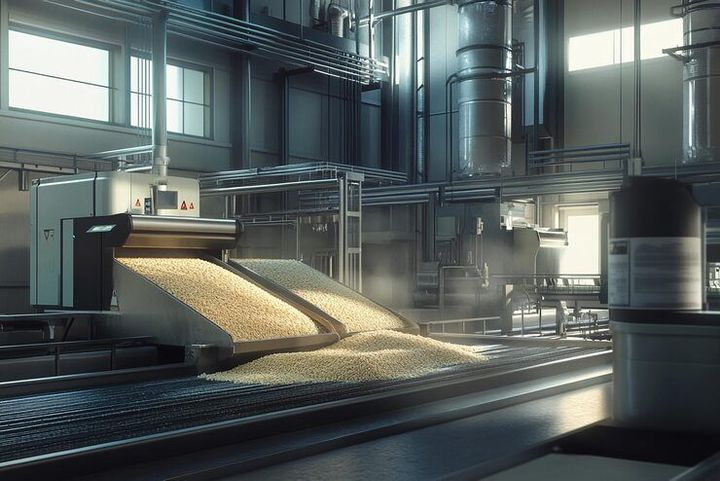
Investing in commercial rice milling machines requires a clear grasp of how raw paddy transforms into polished white or brown rice. At its core, a milling line removes the outer husk and bran layers while keeping the inner endosperm intact to prevent broken grains. High broken-grain percentages drastically lower your wholesale selling price, which makes precision paddy processing equipment essential for protecting your profit margins.
Every efficient processing facility relies on a coordinated sequence of mechanical actions. Raw grain first enters a pre-cleaner to strip away dust, straw, and stones that could damage internal rollers.
Key Categories of Paddy Processing Equipment
Selecting the proper scale of rice mill machinery depends entirely on your daily throughput targets and available floor space.
Compact and Mini Rice Mill Units
Small-scale growers and village entrepreneurs often start with a mini rice mill machine.
Semi-Automatic Combined Rice Mill Plants
Growing agro-businesses frequently upgrade to semi-automatic combined units capable of handling 500 to 1,000 kilograms per hour.
Fully Automatic Industrial Rice Mill Lines
Large-scale distributors and export facilities rely on an automatic rice mill plant designed for continuous twenty-four-hour operation.
Critical Factors Before You Buy Rice Mill Machinery
Evaluating technical specifications before requesting supplier quotes protects your business from costly bottlenecks and premature mechanical wear.
Hourly Capacity and Motor Power Requirements
Always match your machine's rated hourly paddy capacity against your peak harvest volume rather than average weekly estimates.
Grain Recovery Rate and Breakage Control
Head rice recovery is the single most important financial metric in grain milling. Superior industrial grain milling solutions feature adjustable roller gaps and controlled air-jet cooling inside the whitening chamber. Cooling the grain during friction polishing prevents thermal cracking, which directly boosts your yield of whole kernels. Even a three percent improvement in whole-grain recovery can generate thousands of dollars in extra annual revenue for a mid-sized mill.
Build Quality, Spare Parts, and After-Sales Support
Heavy-gauge mild steel frames and hardened alloy steel screens withstand abrasive silica found in raw paddy husks. Before signing a purchase order, verify that your equipment supplier stocks wear-and-tear consumables such as rubber husking rolls, emery stones, and perforated sieves. Fast local technician dispatch and clear operator training prevent prolonged downtime during peak harvest seasons.
Estimating Rice Mill Machinery Price and Return on Investment
Understanding total project expenditure helps you structure realistic budgets and secure agro-processing machinery financing.
When calculating your return on investment, factor in civil foundation work, electrical transformer upgrades, dust collection ducting, and working capital for raw paddy procurement.
Disclaimer: The information provided in this article is for general educational and informational purposes only and does not constitute professional engineering, financial, or investment advice. Machinery specifications, electrical requirements, processing capacities, and market prices vary widely by manufacturer, region, and grain variety.