Ultimate Guide to Warehouse Automation Systems
Explore how warehouse automation systems streamline operations, improve efficiency, and reduce costs. Learn about technologies, benefits, and implementation strategies for modern logistics.
Warehouse automation systems have become essential for businesses managing complex logistics operations. As supply chains grow more demanding and customer expectations increase, automation offers solutions to enhance efficiency, reduce errors, and optimize space utilization. These systems integrate various technologies including robotics, conveyor systems, software platforms, and data analytics to create seamless workflows. Whether you're managing a small distribution center or a large fulfillment operation, understanding automation options helps you make strategic decisions that align with your business goals and operational requirements.
Benefits and Limitations of Warehouse Automation
Warehouse automation delivers significant advantages for organizations ready to invest in modernization. The primary benefits include improved operational efficiency, reduced labor costs, increased accuracy, and better space utilization. Automated systems can operate continuously, reducing processing times and enabling faster order fulfillment. They minimize human error in picking, packing, and sorting operations, leading to higher customer satisfaction and fewer returns.
However, automation systems also present limitations worth considering. Initial capital investment can be substantial, requiring careful financial planning. Implementation timelines may be lengthy, and systems require ongoing maintenance and technical expertise. Automation works best for high-volume operations with consistent workflows; lower-volume or highly variable operations may not achieve adequate return on investment. Additionally, complete automation isn't always feasible for all warehouse functions, requiring hybrid approaches combining automated and manual processes.
Types of Warehouse Automation Systems
Modern warehouses employ various automation technologies suited to different operational needs:
- Automated Storage and Retrieval Systems (AS/RS): Dense storage solutions using robots or cranes to locate and retrieve items automatically, maximizing vertical space utilization.
- Conveyor Systems: Networks of belts, rollers, and sorters that move products through the warehouse automatically, connecting different operational zones.
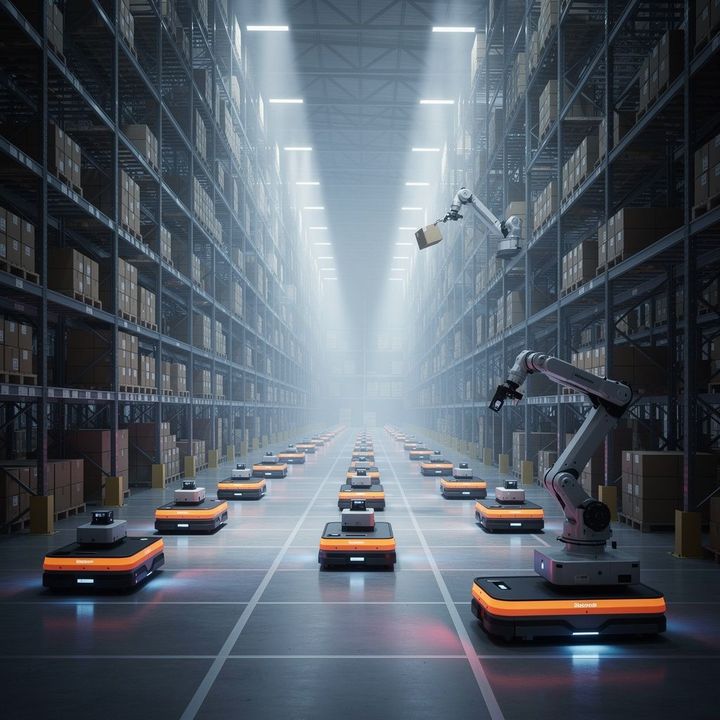
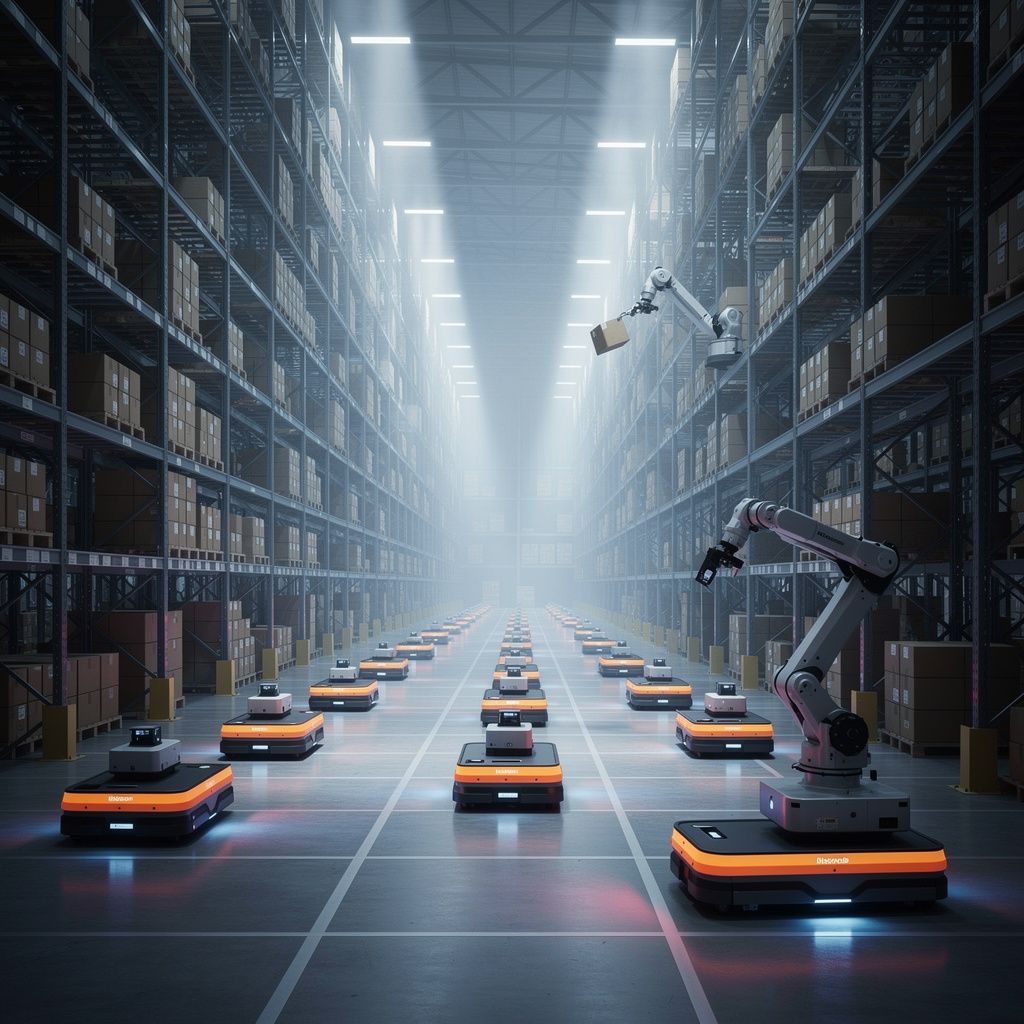
- Robotic Picking Systems: Mobile robots or articulated arms that navigate warehouse floors to pick items, working alongside or replacing human pickers.
- Automated Guided Vehicles (AGVs): Driverless vehicles that transport goods between warehouse locations following predetermined routes.
- Sortation Systems: High-speed equipment that automatically sorts packages by destination, carrier, or other criteria for efficient shipping.
- Warehouse Management Software: Integrated platforms that coordinate all automated systems, manage inventory, and optimize workflows through real-time data.
Current Industry Trends
The warehouse automation landscape continues evolving with emerging technologies and changing business needs. Artificial intelligence and machine learning are enhancing system intelligence, enabling predictive maintenance and optimized routing. Collaborative robots designed to work safely alongside human workers are gaining adoption, allowing flexible automation in diverse environments. Cloud-based warehouse management systems provide greater flexibility and scalability compared to traditional on-premise solutions. Sustainability concerns are driving automation adoption as businesses seek to reduce energy consumption and optimize resource utilization. The integration of Internet of Things (IoT) sensors provides real-time visibility into warehouse operations, enabling data-driven decision making.
Key Features of Modern Automation Systems
Effective warehouse automation systems incorporate several essential features:
| Feature | Description | Impact |
|---|---|---|
| Real-Time Inventory Tracking | Continuous monitoring of stock levels and locations | Improved accuracy and faster fulfillment |
| Scalability | Systems that grow with business needs | Long-term cost effectiveness |
| Integration Capabilities | Compatibility with existing business systems | Seamless operations and data flow |
| Predictive Maintenance | Automated alerts for system maintenance needs | Reduced downtime and failures |
| Analytics and Reporting | Comprehensive data on operations and performance | Informed decision making |
| Flexibility | Ability to adapt to changing workflows | Future-proof investment |
Leading Automation Solution Providers
The warehouse automation market includes established companies and innovative startups offering diverse solutions. Major providers range from comprehensive automation specialists to software-focused platforms. Some focus on specific technologies like robotics or conveyor systems, while others offer integrated solutions addressing multiple operational needs. When evaluating providers, consider their experience in your industry, technical support capabilities, implementation track record, and vision for future development. Successful partnerships often involve providers who understand your specific operational challenges and can customize solutions accordingly.
Selecting the Right Automation System
Choosing appropriate automation requires careful analysis of your operational needs, financial capacity, and long-term strategy. Start by assessing current workflows, identifying bottlenecks, and understanding your volume patterns. Calculate potential return on investment considering both direct cost savings and indirect benefits like improved accuracy and customer satisfaction. Evaluate your facility layout and determine which areas would benefit most from automation. Consider your team's technical capabilities and whether you'll need external expertise for implementation and ongoing management.
A practical selection checklist includes:
- Define specific operational challenges automation should address
- Calculate current labor costs and potential savings
- Assess facility space and layout constraints
- Evaluate integration requirements with existing systems
- Research provider experience and customer references
- Determine implementation timeline and resource requirements
- Plan for training and change management
- Establish key performance metrics for success measurement
- Review warranty, support, and maintenance options
- Consider scalability for future growth
Implementation Best Practices
Successful automation implementation requires strategic planning and careful execution. Begin with a comprehensive audit of current operations to establish baseline metrics. Develop a detailed project plan with clear timelines, milestones, and resource allocation. Engage your team early, addressing concerns and building enthusiasm for change. Implement systems in phases when possible, allowing staff to adapt gradually and reducing operational disruption. Invest in thorough training programs ensuring your team understands new systems and can troubleshoot common issues. Establish clear communication channels between your operations team and the automation provider. Monitor performance against established metrics and adjust processes as needed during the initial period.
Frequently Asked Questions
How long does warehouse automation implementation typically take?
Implementation timelines vary significantly based on system complexity and facility size. Simple conveyor or sortation systems might take 3-6 months, while comprehensive AS/RS installations could require 12-18 months. Planning, design, and installation phases all contribute to overall duration. Phased implementations often extend timelines but reduce operational disruption.
What is the typical return on investment for warehouse automation?
ROI depends on numerous factors including current labor costs, order volume, facility size, and system type. Many businesses achieve payback within 3-7 years through labor savings and improved efficiency. Additional benefits like reduced errors and improved customer satisfaction contribute to overall value beyond direct cost savings.
Can existing warehouses be retrofitted with automation systems?
Yes, many existing facilities can incorporate automation, though retrofitting may require facility modifications. Assessing your current layout, structural capacity, and utility infrastructure is essential. Some systems are more adaptable to existing spaces than others. Working with experienced providers helps identify feasible solutions for your specific facility.
What skills do warehouse staff need for automated systems?
While automation reduces certain manual tasks, it creates demand for different skills. Staff need training on system operation, basic troubleshooting, and data management. Supervisory and management roles increasingly require understanding of system analytics and performance optimization. Comprehensive training programs help your team transition successfully.
How do warehouse automation systems handle product variety and complexity?
Modern systems use advanced software and sensors to manage diverse products with varying sizes, weights, and handling requirements. Flexible robotic systems can adapt to different items, while software platforms route products appropriately based on characteristics. However, extremely high variety or fragile items may require hybrid approaches combining automation with manual handling.
What maintenance and support do automation systems require?
Regular maintenance is essential for system reliability and longevity. Most providers offer maintenance contracts covering preventive maintenance, repairs, and technical support. Establishing strong relationships with providers ensures rapid response to issues. Your team should receive training on basic maintenance tasks and troubleshooting to minimize downtime.
Conclusion
Warehouse automation systems represent significant opportunities for businesses seeking to enhance operational efficiency, improve accuracy, and optimize resource utilization. The diverse range of available technologies allows organizations to select solutions matching their specific needs and constraints. Success requires thorough assessment of current operations, careful selection of appropriate systems, and strategic implementation planning. While automation involves substantial investment and complexity, businesses that approach automation strategically can achieve substantial improvements in productivity, customer satisfaction, and competitive positioning. Understanding available technologies, industry trends, and best practices enables informed decision-making that drives long-term value for your organization.