How Hydraulic Transmission Systems Work Guide & Buying Factors
Hydraulic transmission systems transfer engine power through pressurized fluid to deliver stepless speed control and high torque under heavy loads. For fleet managers, contractors, and industrial buyers comparing replacement units or commercial machinery, selecting the right setup protects uptime and lowers operating costs.
How Hydraulic Transmission Systems Work
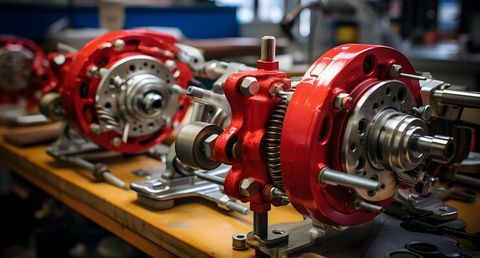
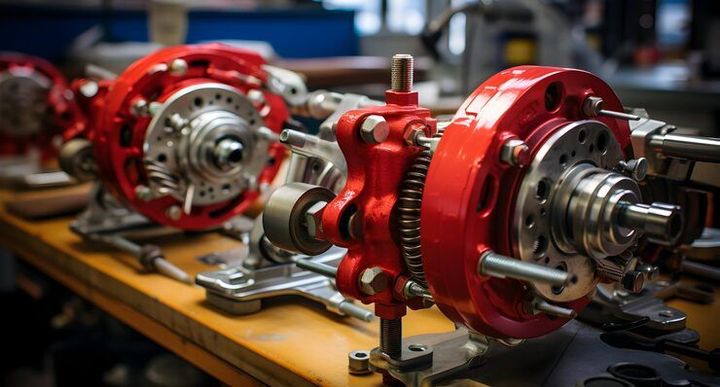
A hydraulic transmission converts mechanical rotation from an engine or electric motor into pressurized fluid flow using a hydraulic pump, then converts that fluid power back into mechanical torque through a hydraulic motor. Because pressure and flow rate can be adjusted continuously, equipment operators get smooth acceleration, effortless direction changes, and precise speed control without jarring gear shifts. This fluid coupling also cushions shock loads when heavy buckets, winches, or industrial drives engage suddenly.
Hydrostatic vs. Hydrodynamic Designs
Hydrostatic transmissions pair a positive-displacement hydraulic pump with a hydraulic motor in a closed or open circuit, making them ideal for compact loaders, agricultural tractors, turf mowers, and material-handling equipment that demand variable speed and high starting torque. Hydrodynamic designs rely on fluid momentum inside a torque converter and planetary gear set, which is common in commercial trucks, buses, and off-highway haulers that cruise at higher speeds. Choosing between them comes down to duty cycle, heat dissipation capacity, and whether stepless low-speed control matters more than high-speed efficiency.
Buying Factors for Commercial Buyers
When purchasing a replacement unit, remanufactured assembly, or new machine equipped with a hydraulic drive, commercial buyers look past headline horsepower to match pressure ratings, displacement, and cooling capacity to real jobsite work. Undersized pumps or restrictive lines cause fluid overheating, seal wear, and sluggish cycle times that cost more in downtime than the initial price difference. Checking mounting flanges, shaft splines, relief valve settings, and service parts availability prevents costly installation delays.
Evaluating OEM, Remanufactured, and Aftermarket Units
Original equipment manufacturer assemblies offer exact factory calibration and warranty backing, which makes them attractive for late-model commercial fleets and mission-critical production lines. Certified remanufactured transmissions often deliver strong value for aging equipment by replacing worn rotating groups, bearings, and seals while keeping costs well below a new factory unit. Aftermarket hydraulic pumps, motors, and valve blocks can lower upfront capital expenditure for standard industrial applications, provided buyers verify flow ratings, pressure tolerances, and local technical support.
Maintenance Costs and Fluid Care
Fluid cleanliness and temperature control determine how long a hydraulic transmission runs before needing a major overhaul. Contaminated hydraulic oil, water ingress, or worn filters score precision pump pistons and valve spools, leading to internal leakage and lost drive power. Following scheduled oil sampling, replacing high-pressure and return filters on time, and keeping oil coolers clean prevents premature failures and protects resale value across commercial fleets.
Pricing Drivers and Total Cost of Ownership
Upfront purchase price is only one piece of total cost of ownership alongside hydraulic fluid, filter kits, seal replacements, hose assemblies, and technician labor. Variable-displacement pumps with electronic or load-sensing controls typically cost more initially than fixed-displacement setups, yet they can save fuel and reduce heat generation during partial-load operation. Buyers comparing quotes should factor in warranty terms, core return rules, lead times for replacement parts, and local service coverage before signing a purchase order.
Disclaimer: This article is provided for general informational and commercial research purposes only and does not constitute engineering, legal, or financial advice. Equipment specifications, pricing, and warranty terms vary by manufacturer and application; consult a qualified hydraulic engineer or authorized equipment supplier before making purchasing or maintenance decisions.