Medical LSR Injection Molding: Complete Guide to Materials, Processes, and Applications
Learn how liquid silicone rubber injection molding produces precision medical devices with biocompatibility, sterilization resistance, and complex geometries for healthcare applications.
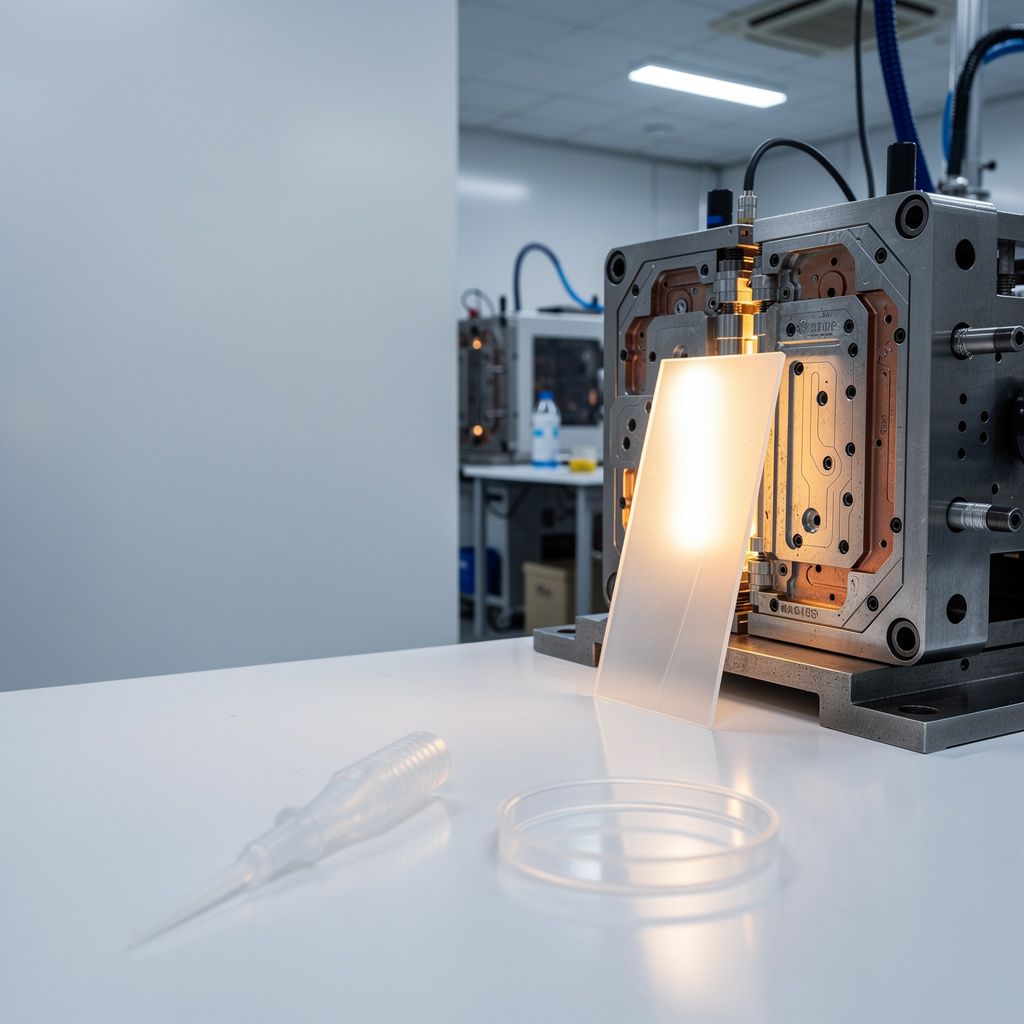
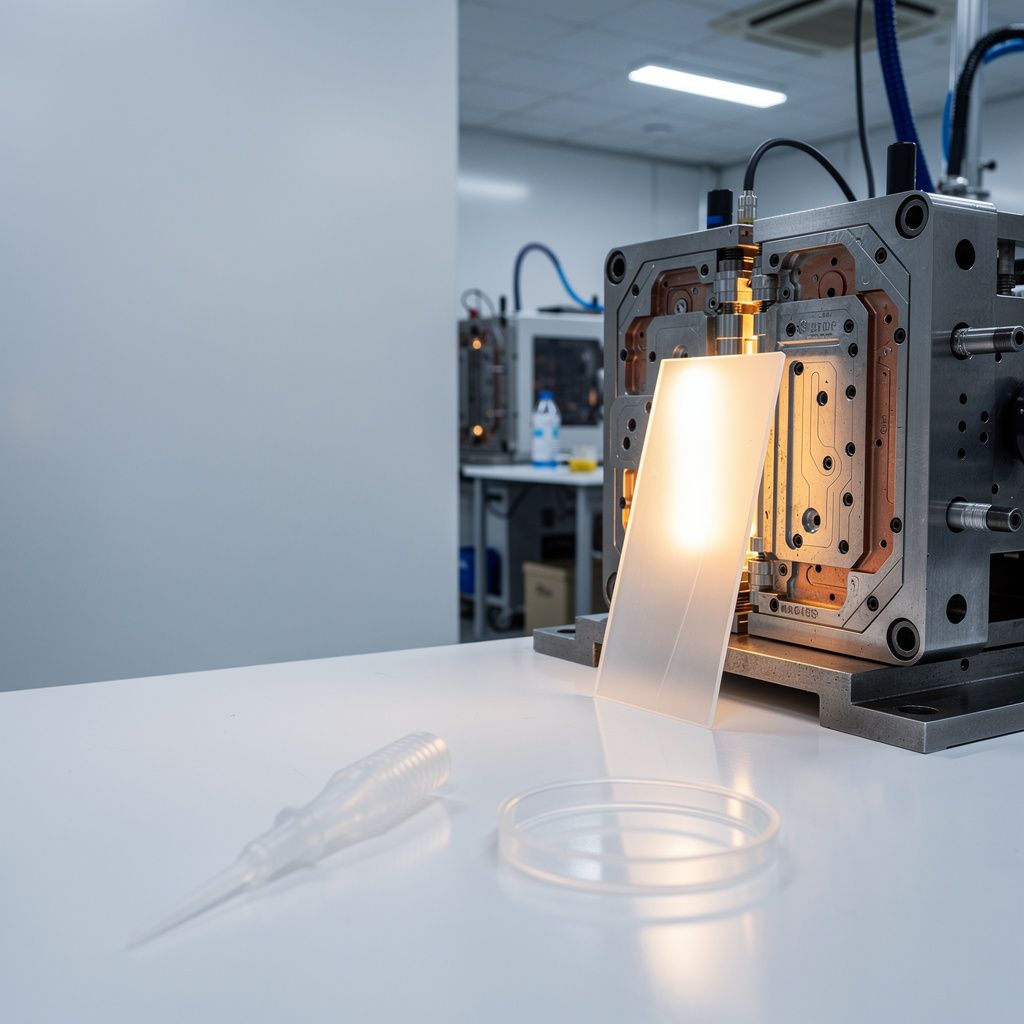
Medical liquid silicone rubber (LSR) injection molding represents a critical manufacturing technology for producing biocompatible, sterilizable medical devices with exceptional precision and reliability. Unlike traditional elastomer molding, LSR materials flow at low viscosity before rapid thermal curing, enabling complex part geometries, tight dimensional tolerances, and consistent material properties essential for patient safety. The process combines specialized equipment, validated material systems, and rigorous quality control to meet FDA regulations and ISO 13485 medical device standards. Understanding LSR capabilities, material properties, process parameters, and compliance requirements is fundamental for medical device manufacturers seeking to optimize production efficiency while ensuring device efficacy and biocompatibility.
Core Benefits and Practical Limitations of Medical LSR Injection Molding
Medical LSR injection molding delivers significant advantages for healthcare device production. The rapid cure time—typically 10 to 60 seconds at 150 to 200°C—enables high-volume manufacturing with cycle times of 1 to 3 minutes per part. LSR materials exhibit excellent biocompatibility, meeting USP Class VI requirements without leachable substances that could compromise patient safety. The low-viscosity flow characteristics allow production of complex geometries including thin walls (0.5mm), intricate undercuts, and detailed surface features without secondary finishing operations. Material waste remains minimal, typically 2 to 5% of production volume, reducing manufacturing costs and environmental impact. LSR materials withstand multiple sterilization methods including autoclaving (121°C), ethylene oxide (ETO) gas sterilization, and gamma radiation, maintaining material integrity across repeated sterilization cycles.
Practical limitations require careful consideration during product development. LSR requires specialized injection molding equipment with heated molds (150-200°C), heated barrel systems, and precise temperature control—standard thermoplastic equipment cannot process LSR effectively. Initial tooling costs are substantial, ranging from $50,000 to $250,000 depending on part complexity and production volume requirements. LSR materials cost significantly more than thermoplastics, with material costs typically 3 to 10 times higher per kilogram. The process demands strict process validation and documentation to meet FDA requirements; any deviation in temperature, pressure, or cure time can compromise material properties and device safety. LSR parts may require post-cure processing at elevated temperatures (4 to 24 hours at 200-250°C) to achieve final mechanical properties and remove volatile organic compounds (VOCs).
Liquid Silicone Rubber Material Properties and Composition
Medical-grade LSR consists of two-part systems: a base polymer (polydimethylsiloxane) and a cross-linker that reacts through platinum-catalyzed hydrosilylation. The base polymer provides flexibility and biocompatibility, while the cross-linker creates three-dimensional network structures that determine final material properties. LSR materials are supplied as pre-mixed, color-coded cartridges with precisely balanced A and B components; mixing ratios are typically 1:1 by volume, ensuring consistent cross-linking and reproducible material properties.
Key material properties for medical applications include tensile strength (4 to 8 MPa), elongation at break (150 to 300%), durability through repeated sterilization cycles, and resistance to body fluids and medications. Shore A hardness ranges from 30 to 80, allowing manufacturers to select materials matching specific application requirements—softer grades (30-50 Shore A) for seals and gaskets, medium grades (50-70 Shore A) for general components, and harder grades (70-80 Shore A) for structural elements. LSR materials maintain performance across temperature ranges from -60°C to +200°C, critical for devices exposed to varying clinical environments or sterilization processes.
LSR Injection Molding Process Parameters and Equipment Requirements
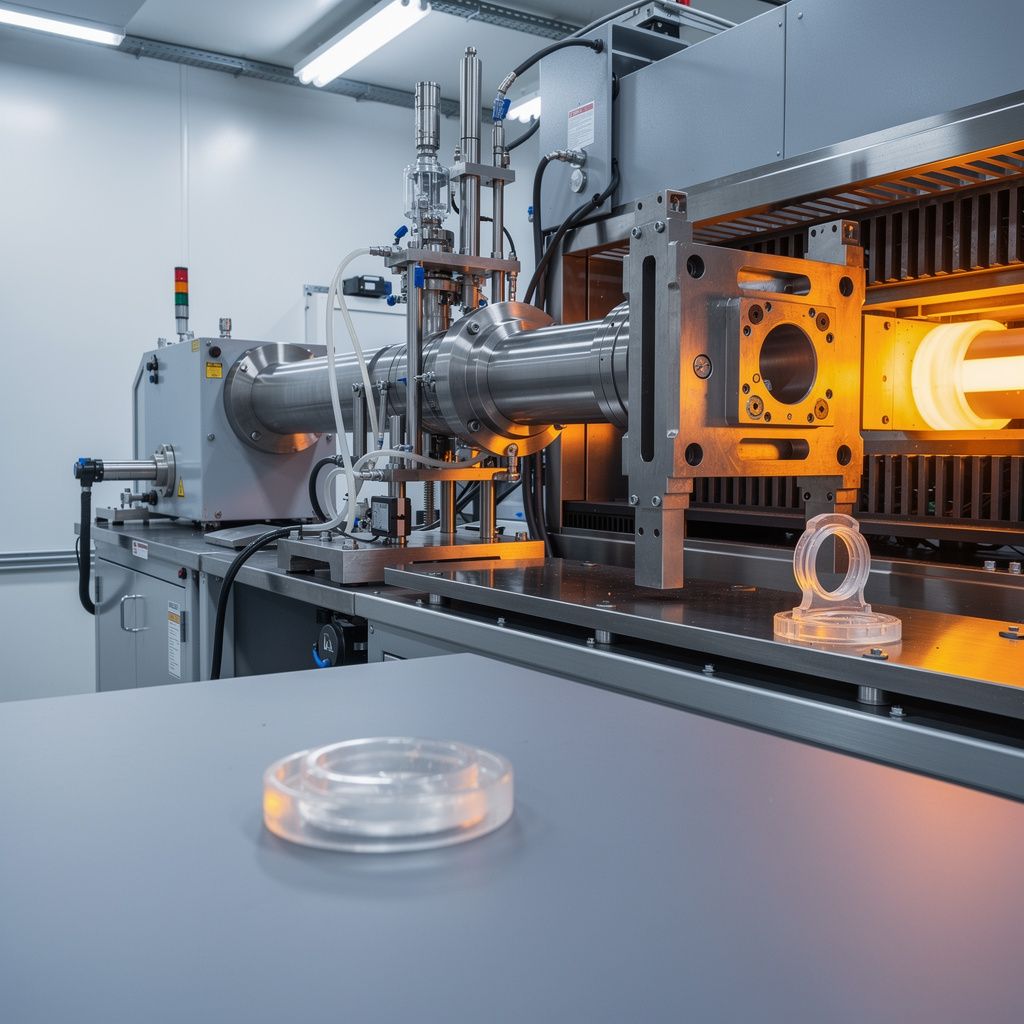
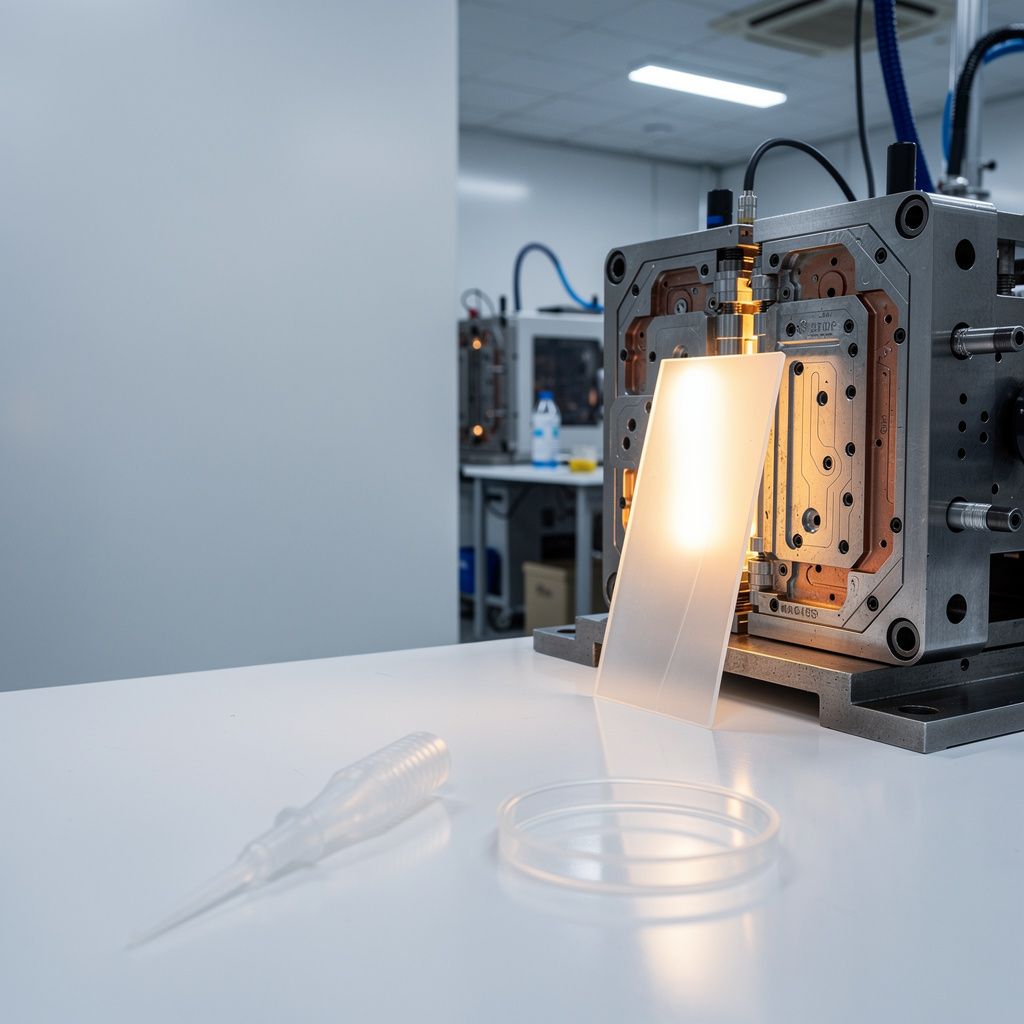
Medical LSR injection molding requires specialized equipment and precise parameter control. Injection molding machines must feature heated barrels (typically 60-120°C), metering screws designed for low-viscosity materials, and heated manifold systems maintaining material temperature at 60-80°C. Molds are heated to 150-200°C using electric heaters or hot oil circulation systems; mold temperature directly influences cure time and final material properties. Higher mold temperatures (180-200°C) reduce cure times but increase risk of material degradation and volatile organic compound (VOC) release.
Critical process parameters include injection pressure (40-120 MPa), injection speed (50-200 mm/s), and hold pressure (20-60 MPa). Injection pressure forces low-viscosity LSR into mold cavities and thin-wall sections; insufficient pressure causes incomplete filling and voids, while excessive pressure may cause flash (excess material overflow at parting lines). Hold pressure maintains material density during cure, preventing shrinkage and dimensional variation. Cure time ranges from 10 to 60 seconds depending on mold thickness, material grade, and mold temperature; cure time must be validated through material property testing to ensure complete cross-linking.
Post-cure processing involves heating molded parts in ovens at 200-250°C for 4 to 24 hours, completing cross-linking reactions and removing volatile organic compounds. Post-cure is essential for medical devices; incomplete post-cure results in extractable substances that may leach into body fluids or contact tissues, potentially causing adverse reactions. Post-cure temperature and duration must be validated and documented for each material and part geometry.
Types of Medical LSR Materials and Technical Variations
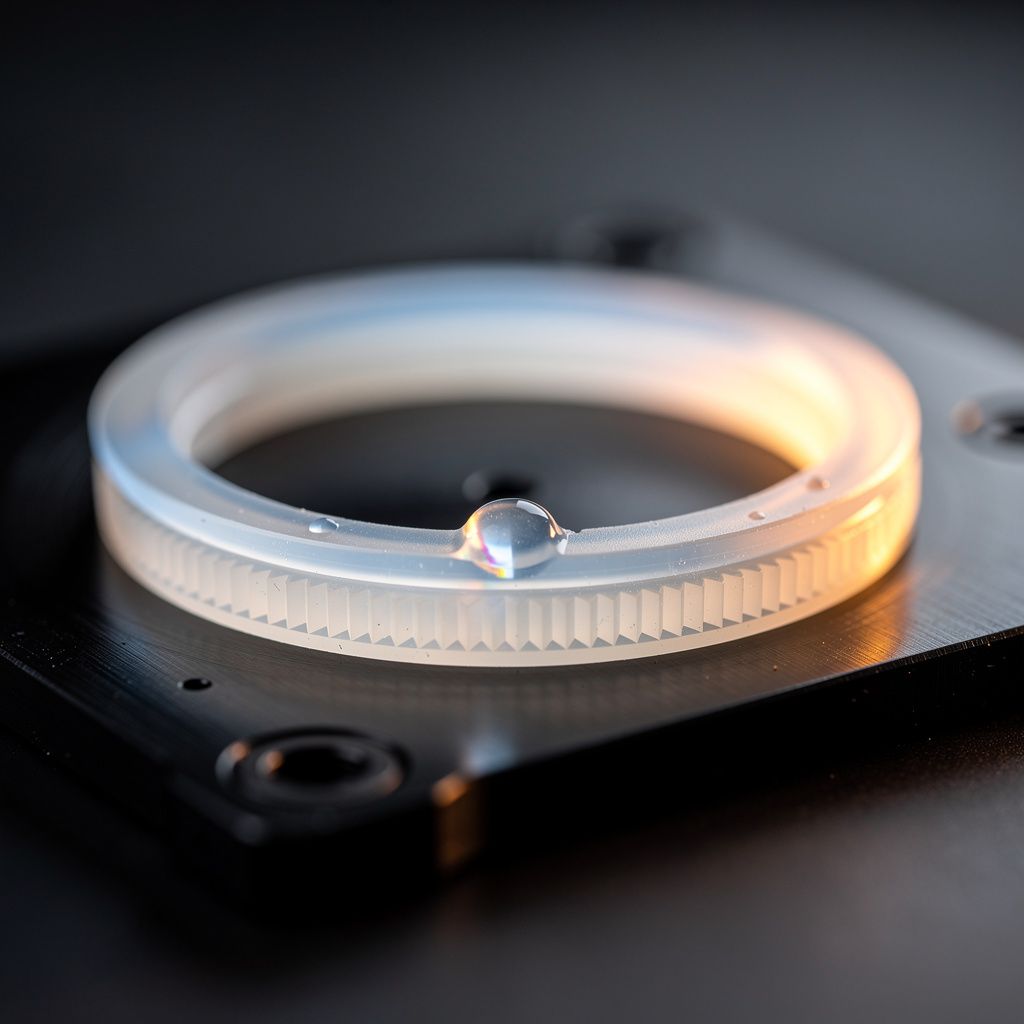
Medical LSR materials are categorized by hardness, cure characteristics, and specialized properties. Standard medical-grade LSR includes materials like Dow Corning SILASTIC and Wacker Elastosil, available in Shore A hardness from 30 to 80. Soft LSR materials (30-50 Shore A) provide flexibility for seals, gaskets, and components requiring compression resistance. Medium-hardness materials (50-70 Shore A) balance flexibility and structural integrity for general medical components including tubing, connectors, and device housings. Hard LSR materials (70-80 Shore A) offer rigidity for structural elements and components requiring dimensional stability.
Fast-cure LSR formulations reduce cycle times to 15-30 seconds, enabling high-volume production but requiring precise temperature control and mold design. Standard-cure materials (30-60 second cure times) provide greater processing flexibility and are suitable for complex geometries. Specialized LSR formulations include radiopaque grades (containing barium sulfate) for X-ray visibility, colored grades for device identification and assembly verification, and low-extractable formulations for critical implantable devices requiring minimal leachable substances.
Thermally conductive LSR materials incorporate ceramic fillers (aluminum oxide, boron nitride) for applications requiring heat dissipation or thermal management. Flame-retardant LSR grades meet UL94 standards for devices requiring fire resistance. UV-resistant formulations maintain material properties when exposed to ultraviolet light during storage or clinical use. Each material variation requires separate process validation and documentation to ensure compliance with FDA regulations and device-specific requirements.
Current Trends and Technological Innovations in Medical LSR Manufacturing
Automation and Industry 4.0 integration are transforming medical LSR production. Automated part removal systems, robotic post-cure handling, and integrated quality monitoring reduce labor costs and improve consistency. Real-time process monitoring using pressure transducers, thermocouples, and machine learning algorithms detects deviations in injection pressure, mold temperature, or cure time, enabling immediate corrective actions before defects occur.
Multi-cavity mold designs with individual temperature zones allow simultaneous production of multiple parts with optimized cure conditions for each cavity. Advanced mold materials including beryllium copper and specialized coatings improve heat transfer and extend mold service life. Micro-injection molding technologies enable production of extremely small medical components (sub-millimeter features) for minimally invasive devices and surgical instruments.
Sustainability initiatives focus on reducing material waste through optimized gate designs and runner systems. Closed-loop material recycling systems recover scrap LSR and reprocess it into lower-grade materials for non-critical applications. Manufacturers are transitioning to renewable-based LSR formulations derived from bio-based polymers while maintaining biocompatibility and performance standards.
Key Features and Specifications to Evaluate in Medical LSR Devices
When evaluating medical LSR components, critical specifications include dimensional tolerances, material certifications, and sterilization compatibility. Dimensional tolerances for LSR-molded parts typically range from ±0.05mm to ±0.2mm depending on feature size and complexity; tighter tolerances require advanced mold design and process control. Material certifications must include USP Class VI biocompatibility testing, demonstrating that extractable substances do not cause adverse tissue reactions. ISO 10993 biocompatibility standards require cytotoxicity, sensitization, and irritation testing for materials contacting skin or mucous membranes; implantable devices require additional genotoxicity and systemic toxicity testing.
Sterilization compatibility specifications document material performance after exposure to sterilization methods. Autoclaving compatibility requires material stability at 121°C and 2 bar pressure for 15-30 minutes; repeated autoclaving cycles may degrade material properties. ETO sterilization compatibility requires material resistance to ethylene oxide gas at 37-60°C and 600-800 mg/L concentrations. Gamma radiation sterilization (25 kGy dose) may cause material cross-linking or degradation; material property testing validates performance after gamma exposure.
Surface finish specifications address roughness, texture, and aesthetic requirements. LSR-molded surfaces typically achieve Ra 0.4 to 3.2 micrometers depending on mold surface finish and process parameters. Textured surfaces may be specified for grip, aesthetic, or functional reasons; mold surface texturing adds cost but enables single-step production without secondary finishing.
Industry Landscape and Notable Medical Device Applications
Medical LSR injection molding is integral to production of diverse healthcare devices. Catheters and urological devices utilize LSR for soft, biocompatible tubes and connectors that minimize tissue trauma. Infusion pumps incorporate LSR seals, gaskets, and valve components ensuring sterile fluid delivery without leachable contamination. Respiratory devices including masks, connectors, and valves use LSR for comfort and biocompatibility during extended patient contact. Ophthalmic devices including contact lens cases and eye drop dispensers employ LSR for clarity, durability, and biocompatibility.
Implantable devices including breast implants, joint replacements, and neurostimulator housings rely on LSR for long-term biocompatibility and sterilization resistance. Wound care products including adhesive dressings and drainage systems utilize LSR for skin compatibility and sterilization stability. Dental devices including orthodontic components and denture bases incorporate LSR for biocompatibility and dimensional stability. Surgical instruments including handles, grips, and protective sheaths use LSR for ergonomics and sterilization compatibility.
Selection and Decision-Making Framework for LSR Injection Molding
Selecting LSR injection molding requires systematic evaluation of product requirements, manufacturing constraints, and regulatory compliance. Begin by defining device specifications: intended use, patient population, duration of contact (temporary or implantable), sterilization method, and required mechanical properties. Evaluate whether LSR material properties align with specifications; if device requires high rigidity, thermoplastic injection molding may be more cost-effective, while LSR excels for flexible, biocompatible components.
Assess production volume requirements. LSR injection molding becomes cost-effective at volumes exceeding 50,000 to 100,000 units annually; lower volumes may justify alternative manufacturing methods. Evaluate tooling investment and lead times; LSR mold development typically requires 12 to 16 weeks including design, fabrication, and process validation. Conduct material selection analysis comparing available LSR grades against biocompatibility requirements, sterilization compatibility, and mechanical properties.
Establish process validation strategy aligned with FDA regulations. Document material selection rationale, biocompatibility testing results, sterilization compatibility data, and process parameters. Conduct Design of Experiments (DOE) to identify optimal injection pressure, mold temperature, and cure time ranges. Validate process parameters through production of statistically significant sample sizes (typically 30 parts minimum) with testing of dimensional accuracy, material properties, and biocompatibility.
Actionable Tips and Best Practices for Medical LSR Manufacturing
Material Storage and Handling: Store unopened LSR cartridges at 15-25°C in dry conditions; exposure to moisture or elevated temperatures degrades material properties. Use cartridges within 12 months of manufacture date. Inspect cartridges for damage or separation before processing. Allow cartridges to reach room temperature before opening to prevent moisture condensation.
Equipment Maintenance: Establish preventive maintenance schedules for heated barrels, manifolds, and molds. Clean barrel systems weekly using purging compounds designed for LSR; residual material degrades and contaminates subsequent batches. Inspect mold heating systems monthly to ensure uniform temperature distribution. Replace worn screw elements every 500-1000 hours of operation to maintain consistent material metering.
Process Monitoring: Implement real-time monitoring of injection pressure, mold temperature, and cure time. Use pressure transducers to detect variations exceeding ±5% of target values; deviations indicate mold blockage, material degradation, or equipment malfunction. Monitor mold temperature using thermocouples at multiple locations; temperature variations exceeding ±5°C indicate heating system issues requiring correction.
Quality Control Testing: Establish incoming material testing protocols including viscosity, gel time, and cure kinetics verification. Conduct first-article inspection including dimensional analysis, material property testing (tensile strength, elongation, hardness), and biocompatibility verification. Implement ongoing process validation through periodic testing of production samples; test frequency depends on production volume and regulatory requirements, typically monthly for high-volume production.
Documentation and Traceability: Maintain detailed records of material lot numbers, process parameters, cure times, and post-cure conditions for each production batch. Document equipment maintenance, calibration records, and environmental conditions (temperature, humidity). Establish traceability linking finished devices to material lots and process parameters, enabling rapid identification and recall of affected devices if quality issues emerge.
Comprehensive FAQ: Medical LSR Injection Molding Questions and Answers
Q: What is the difference between LSR and traditional silicone rubber molding?
A: LSR (liquid silicone rubber) is supplied as a low-viscosity liquid requiring specialized injection molding equipment, while traditional silicone rubber molding uses high-viscosity rubber compounds processed through compression or transfer molding. LSR enables faster cycle times (1-3 minutes vs. 5-15 minutes), tighter tolerances (±0.05mm vs. ±0.2mm), and more complex geometries. LSR is ideal for high-volume medical device production, while traditional molding suits lower-volume or less complex applications.
Q: What biocompatibility testing is required for medical LSR devices?
A: Medical devices must comply with ISO 10993 biocompatibility standards. Minimum testing includes cytotoxicity (cell culture testing for toxic reactions), sensitization (skin sensitization potential), and irritation testing (mucosal irritation assessment). Implantable devices require additional genotoxicity testing (genetic damage potential) and systemic toxicity testing. Material suppliers typically provide pre-tested LSR formulations with documented biocompatibility data; device manufacturers must conduct extractables testing specific to their intended use and sterilization method.
Q: How does sterilization affect LSR material properties?
A: Autoclaving (121°C, 15-30 minutes) causes minimal property changes in properly formulated LSR; repeated autoclaving cycles (10+ cycles) may reduce elongation by 5-15%. ETO sterilization (37-60°C, 600-800 mg/L) does not significantly affect LSR properties; residual ETO must be removed through aeration to prevent patient exposure. Gamma radiation (25 kGy) causes cross-linking that may increase hardness by 5-10 Shore A points and reduce elongation; material property changes must be validated through testing. All sterilization methods must be validated through material property testing before clinical use.
Q: What causes dimensional variation in LSR-molded parts?
A: Dimensional variation results from multiple factors: mold temperature fluctuations (±5°C causes ±0.05mm variation), material shrinkage during cure (0.5-1.5% linear shrinkage), injection pressure variations (±10% pressure causes ±0.05mm variation), and incomplete post-cure (inadequate post-cure results in continued shrinkage). Controlling mold temperature within ±2°C, maintaining injection pressure within ±5%, and validating post-cure conditions minimize dimensional variation. Mold design including gate location, runner design, and cooling system optimization significantly influences dimensional stability.
Q: What is the cost comparison between LSR injection molding and alternative manufacturing methods?
A: LSR injection molding tooling costs range from $50,000 to $250,000 depending on complexity; thermoplastic injection molding typically costs 30-50% less. LSR material costs are 3-10 times higher per kilogram than thermoplastics. At production volumes exceeding 100,000 units annually, LSR per-unit costs become competitive with alternatives due to rapid cycle times and minimal secondary finishing. For volumes below 50,000 units annually, compression molding or alternative manufacturing methods may offer lower total cost. Detailed cost analysis comparing tooling investment, material costs, labor, and production volume is essential for informed manufacturing decisions.
Conclusion and Actionable Key Takeaways
Medical LSR injection molding is a specialized, highly regulated manufacturing technology essential for producing biocompatible, sterilizable medical devices with precision and consistency. LSR materials offer exceptional biocompatibility, rapid cure times enabling high-volume production, and resistance to multiple sterilization methods. The process requires significant capital investment in specialized equipment and tooling, rigorous process validation aligned with FDA regulations, and comprehensive quality control documentation.
Key takeaways for medical device manufacturers: Select LSR injection molding for high-volume production (>50,000 units annually) of flexible, biocompatible components; conduct thorough material selection analysis aligned with biocompatibility and sterilization requirements; invest in process validation including Design of Experiments and statistical analysis; establish comprehensive quality control protocols including incoming material testing, first-article inspection, and ongoing process monitoring; maintain detailed documentation and traceability for regulatory compliance and product safety; partner with experienced LSR material suppliers and molding specialists to optimize process parameters and minimize defects; implement preventive maintenance schedules for equipment and molds to ensure consistent production quality.
Success in medical LSR manufacturing requires understanding material properties, mastering process parameters, maintaining rigorous quality control, and demonstrating compliance with FDA regulations and ISO 13485 standards. Organizations that invest in process expertise, equipment capabilities, and quality systems will achieve reliable, cost-effective production of medical devices that meet patient safety requirements and regulatory expectations.