The Ultimate Guide to CNC Milling Machines
Discover how CNC milling machines revolutionize precision manufacturing. Learn about types, benefits, features, and best practices for selecting and operating these essential industrial tools.
CNC milling machines represent a cornerstone of modern manufacturing, combining computer control with mechanical precision to produce complex parts with remarkable accuracy. These versatile tools have transformed industries ranging from aerospace and automotive to medical devices and consumer electronics. Understanding how CNC milling machines work, their capabilities, and their applications is essential for manufacturers, engineers, and business decision-makers looking to optimize production efficiency and maintain competitive advantage in today's market.
Understanding CNC Milling Machines
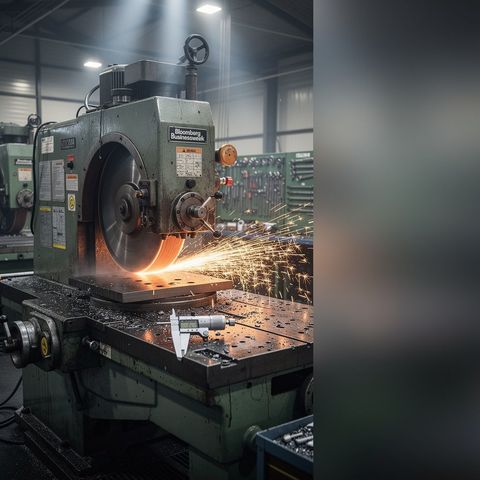
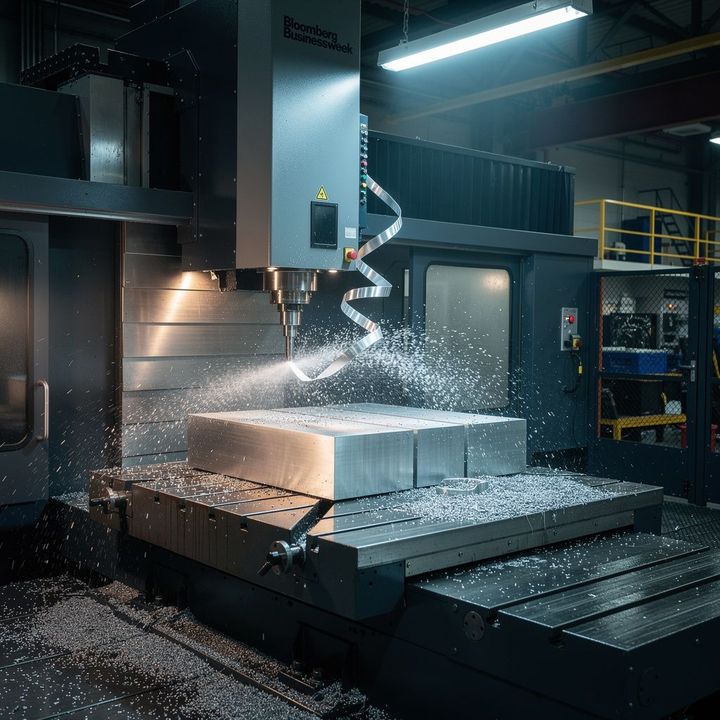
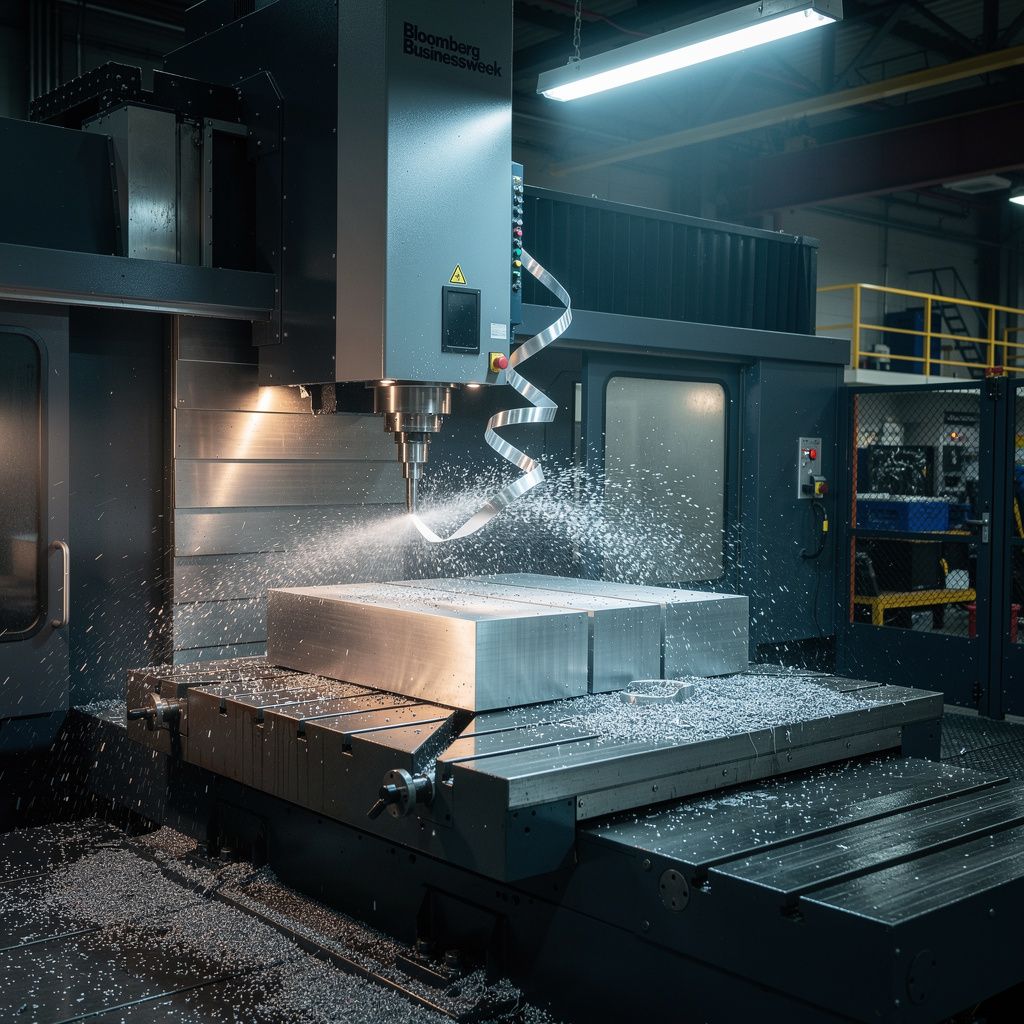
A CNC milling machine is a computer-controlled cutting tool that removes material from a workpiece to create a finished component. Unlike traditional manual mills that require constant operator adjustment, CNC machines follow programmed instructions with minimal human intervention. The machine's cutting tool rotates at high speeds while the workpiece moves along multiple axes—typically three (X, Y, and Z), though advanced machines may include additional axes for more complex operations.
The term "CNC" stands for Computer Numerical Control, referring to the automated control system that directs the machine's movements based on digital instructions. These instructions, written in G-code or other programming languages, specify precise coordinates, feed rates, spindle speeds, and tool changes. This level of automation ensures consistency across production runs and eliminates variations caused by human factors.
Benefits and Limitations of CNC Milling
CNC milling machines offer numerous advantages that have made them industry standard equipment. The primary benefits include exceptional precision—parts can be manufactured to tolerances of 0.001 inches or better. This consistency is crucial for applications where component interchangeability is essential. Production speed represents another significant advantage; once a program is created, machines can run continuously with minimal supervision, dramatically increasing output compared to manual methods.
Cost efficiency improves over time as setup costs are amortized across larger production runs. The reduction in material waste through precise cutting also contributes to overall profitability. Additionally, CNC machines can perform complex operations that would be difficult or impossible to execute manually, enabling manufacturers to create intricate designs and geometries.
However, CNC milling machines do have limitations. Initial capital investment is substantial, making them suitable primarily for businesses with sufficient production volume to justify the expense. Programming requires skilled technicians with specialized knowledge. Machine downtime for maintenance or programming errors can disrupt production schedules. Additionally, certain materials and specialized applications may still benefit from manual machining approaches.
Types of CNC Milling Machines
The CNC milling machine category encompasses several distinct types, each designed for specific applications and production requirements.
Vertical Milling Machines
Vertical mills feature a spindle oriented perpendicular to the work table, with the cutting tool moving downward into the workpiece. These machines are ideal for general-purpose manufacturing and are commonly found in job shops and small to medium-sized facilities. They excel at creating holes, pockets, and surface features on flat or relatively simple parts.
Horizontal Milling Machines
Horizontal mills position the spindle parallel to the work table, with the cutting tool approaching the workpiece from the side. These machines are particularly effective for high-volume production runs and can handle larger workpieces. The horizontal orientation allows for efficient chip removal and extended tool life.
Multi-Axis Milling Machines
Advanced machines with four, five, or more axes enable simultaneous cutting from multiple directions, reducing setup times and improving precision for complex geometries. Five-axis mills are particularly valuable in aerospace and medical device manufacturing where intricate shapes and tight tolerances are essential.
Gantry Milling Machines
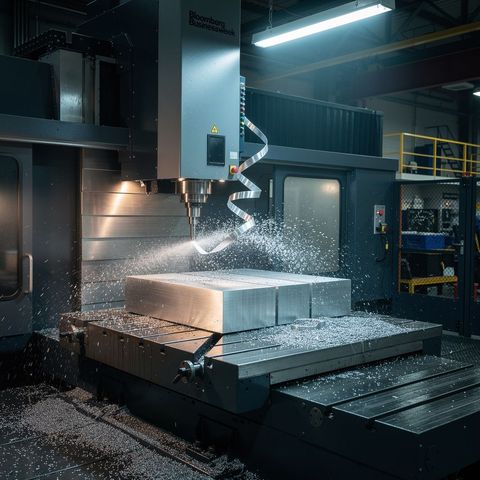
These large-format machines feature a bridge-like structure spanning the work table, allowing the spindle to move across a wide area. Gantry mills are used for machining large components or multiple parts simultaneously, making them popular in heavy manufacturing and aerospace applications.
Current Industry Trends
The CNC milling industry continues to evolve with technological advancement. Automation integration is increasing, with machines incorporating robotic loading and unloading systems to minimize operator involvement. Artificial intelligence and machine learning are beginning to optimize cutting parameters in real-time, improving efficiency and tool life.
Sustainability has become increasingly important, with manufacturers focusing on reducing energy consumption and material waste. Advanced coolant systems and chip management technologies are helping facilities meet environmental standards while improving operational efficiency.
Connectivity and Industry 4.0 principles are transforming how facilities manage their equipment. IoT sensors monitor machine performance, predict maintenance needs, and provide real-time production data. This data-driven approach enables manufacturers to optimize schedules, reduce downtime, and improve overall equipment effectiveness.
Essential Features and Specifications
When evaluating CNC milling machines, several key specifications determine suitability for specific applications:
- Work Table Size: Determines the maximum workpiece dimensions the machine can accommodate
- Spindle Speed: Measured in revolutions per minute (RPM), affects cutting speed and surface finish quality
- Feed Rate: The speed at which the cutting tool advances through the material, impacts production time and finish
- Cutting Force Capacity: The maximum force the machine can apply, essential for heavy-duty operations
- Repeatability and Accuracy: Specification of how consistently the machine can return to programmed positions
- Tool Capacity: The number of tools the automatic tool changer can hold, reducing setup time
- Cooling System: Flood coolant, mist, or through-spindle systems affect tool life and surface finish
Leading Manufacturers and Equipment
The CNC milling machine market includes numerous established manufacturers known for quality, reliability, and innovation. Major equipment providers range from large multinational corporations to specialized regional manufacturers. These companies offer machines across various price points, from entry-level systems suitable for small shops to advanced multi-axis machines for complex aerospace applications.
Equipment selection should be based on specific production requirements, available space, budget constraints, and technical support availability. Many manufacturers offer demonstrations, trial periods, and financing options to help facilities make informed decisions.
Selecting the Right CNC Milling Machine
Choosing an appropriate CNC milling machine requires careful analysis of your manufacturing needs. Start by defining your typical workpiece dimensions, material types, required tolerances, and production volume. Consider the complexity of parts you'll manufacture—simple flat components require different capabilities than intricate three-dimensional geometries.
Evaluate your facility's infrastructure, including available floor space, electrical capacity, and cooling water supply. Assess your team's technical expertise and training requirements. Budget considerations should include not only the machine purchase but also installation, programming software, tooling, and ongoing maintenance.
Compare multiple options from different manufacturers, considering factors like warranty coverage, technical support availability, spare parts accessibility, and the manufacturer's reputation for reliability. Many facilities benefit from consulting with equipment specialists who can provide objective recommendations based on specific operational requirements.
Best Practices and Operating Tips
Maximizing CNC milling machine performance requires attention to several operational best practices:
- Preventive Maintenance: Follow manufacturer guidelines for regular maintenance to prevent unexpected breakdowns and extend equipment life
- Proper Tool Selection: Use appropriate cutting tools for specific materials and operations to optimize surface finish and tool longevity
- Coolant Management: Maintain proper coolant concentration, temperature, and cleanliness to protect tools and workpieces
- Program Optimization: Continuously refine cutting parameters and tool paths to improve efficiency and quality
- Operator Training: Invest in comprehensive training to ensure safe, efficient machine operation
- Quality Monitoring: Implement regular inspection procedures to catch issues early and maintain consistent output
Comparison Table: Machine Types Overview
| Machine Type | Best For | Typical Workpiece Size | Complexity Level | Production Volume |
|---|---|---|---|---|
| Vertical Mill | General purpose, job shops | Small to medium | Low to moderate | Low to medium |
| Horizontal Mill | High-volume production | Medium to large | Moderate | High |
| Multi-Axis Mill | Complex geometries | Medium | High | Medium to high |
| Gantry Mill | Large components | Very large | Moderate to high | Medium |
CNC Milling Machine Selection Checklist
Use this checklist when evaluating CNC milling machines for your facility:
- Workpiece dimensions fit within machine work table
- Spindle speed suitable for your material types
- Accuracy and repeatability meet tolerance requirements
- Sufficient tool capacity for typical production runs
- Adequate cutting force for your applications
- Compatible with your existing software and systems
- Manufacturer provides local technical support
- Spare parts readily available
- Installation requirements compatible with facility
- Training and documentation comprehensive
Frequently Asked Questions
What materials can CNC milling machines process?
CNC mills can work with virtually any machinable material, including aluminum, steel, stainless steel, brass, copper, plastics, and composites. Material selection affects cutting speeds, tool types, and coolant requirements.
How long does it take to learn CNC milling programming?
Basic programming fundamentals can be learned in several weeks, but developing proficiency typically requires months of hands-on experience. Advanced programming for complex multi-axis operations may require several years of training and practice.
What is the typical lifespan of a CNC milling machine?
With proper maintenance, quality CNC mills can operate effectively for 15-25 years or longer. Regular servicing, component replacement, and software updates help extend machine life and maintain performance standards.
How much does a CNC milling machine cost?
Prices vary dramatically based on machine type, size, and capabilities. Entry-level vertical mills may cost $50,000-$100,000, while advanced multi-axis machines can exceed $500,000. Used equipment offers more affordable options for budget-conscious facilities.
What safety considerations are important for CNC milling operations?
Safety requires proper machine guarding, emergency stop systems, operator training, personal protective equipment, and adherence to lockout-tagout procedures during maintenance. Regular safety audits and employee education help prevent accidents.
How does CNC milling compare to other machining methods?
CNC milling offers superior precision and repeatability compared to manual machining but requires higher initial investment. Compared to other CNC operations like turning or grinding, milling provides greater versatility for complex geometries and multi-directional cutting.
Conclusion
CNC milling machines remain fundamental to modern manufacturing, offering precision, efficiency, and versatility that manual methods cannot match. Understanding the different machine types, their capabilities, limitations, and selection criteria enables manufacturers to make informed decisions that align with their specific production requirements and business objectives. Whether you're operating an established facility or planning new manufacturing capabilities, CNC milling technology continues to evolve with innovations in automation, connectivity, and sustainability. By staying informed about current trends and best practices, manufacturers can leverage these powerful tools to maintain competitiveness and deliver high-quality components that meet increasingly demanding specifications. Success with CNC milling requires not only selecting appropriate equipment but also investing in operator training, preventive maintenance, and continuous process optimization to maximize return on investment and production excellence.